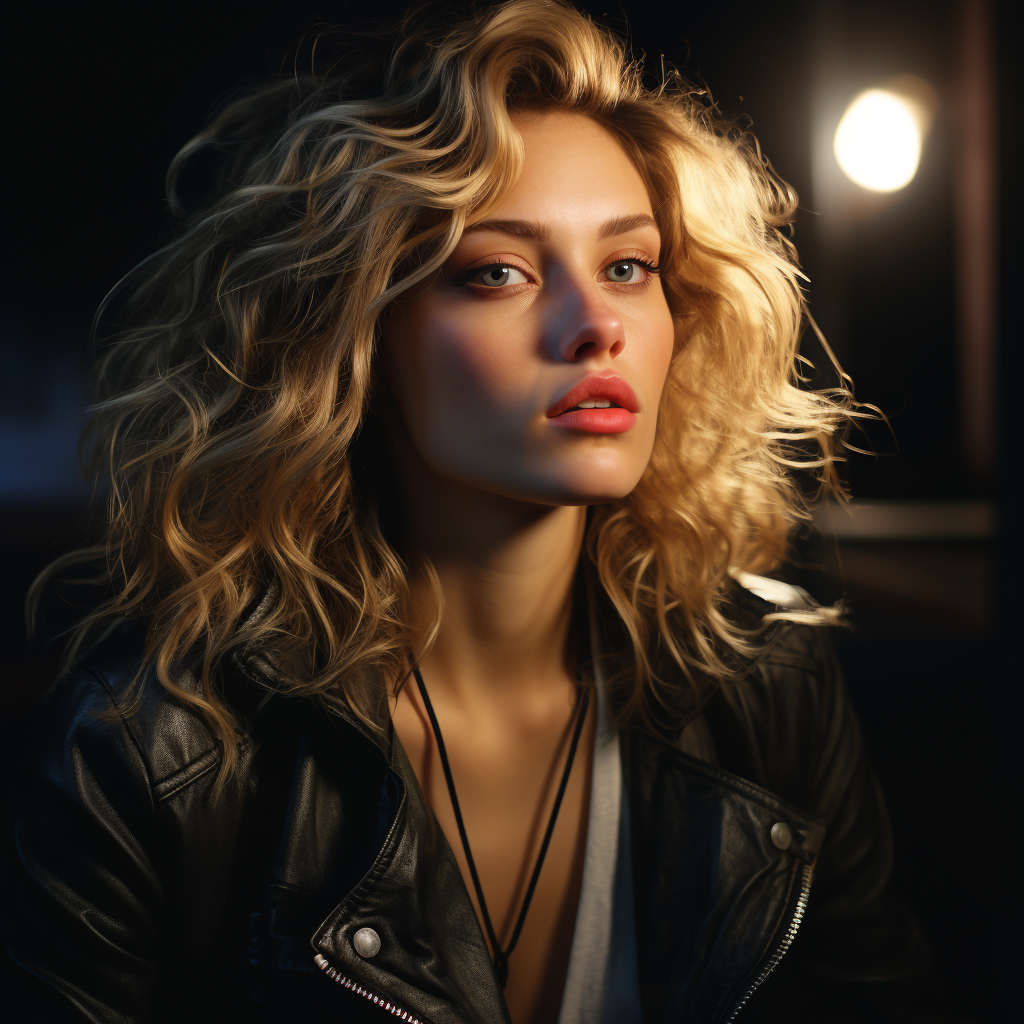
Introduction
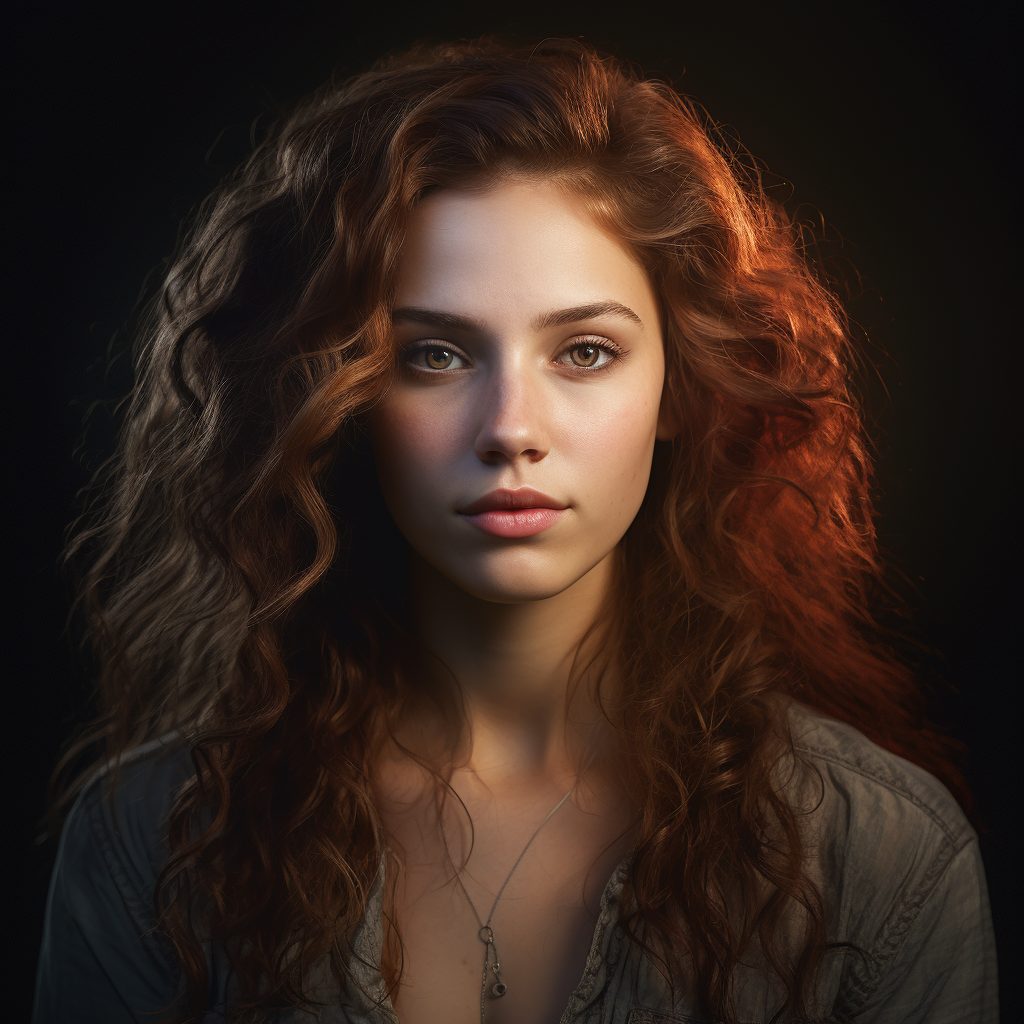
Brief Overview of Instant Cameras
Instant cameras, also known as polaroid cameras, are portable devices that allow users to take photographs and have them printed instantly. These cameras use self-developing film packs to produce tangible prints shortly after the picture is taken.
They offer a nostalgic and tangible way of capturing memories in our increasingly digital world. Best instant camera tips for low-light photography. Importance of Mastering Low-Light Photography with Instant Cameras
Mastering low-light photography with instant cameras is crucial for capturing stunning images in challenging lighting conditions. Low-light settings often present unique opportunities for creative expression and mood creation in photography.
By understanding how to optimize settings and techniques for low-light conditions, photographers can elevate their instant camera skills and produce exceptional results even in dimly lit environments. Best instant camera tips for low-light photography.
Definition and Characteristics of Low-Light Conditions
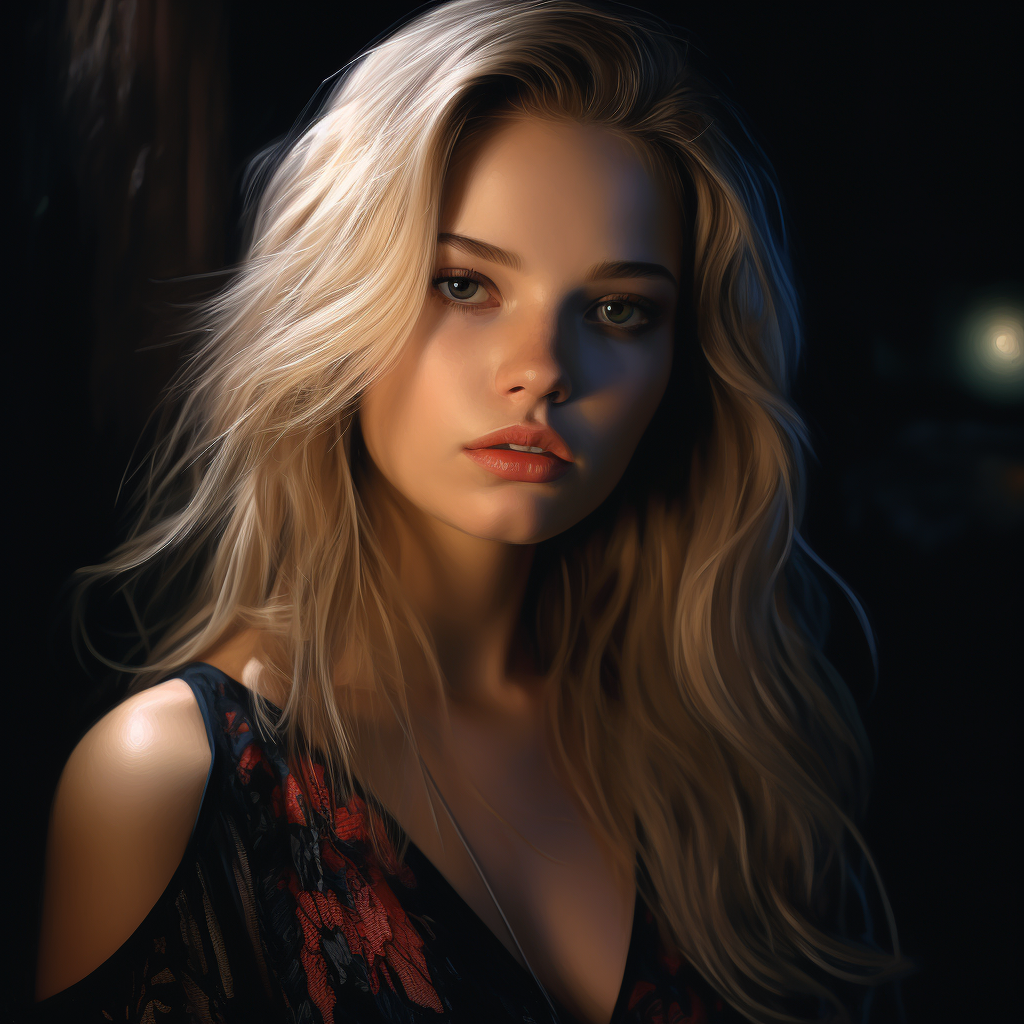
Low-light conditions refer to environments with insufficient natural or artificial light for capturing well-exposed photographs. In photography, low-light settings typically have dim lighting, casting shadows and hindering visibility.
Best instant camera tips for low-light photography involve understanding the nuances of these conditions. Challenges faced in capturing photos in low-light settings are primarily related to achieving proper exposure without introducing excessive noise or blurriness.
Adjusting camera settings becomes crucial in low-light scenarios to maintain image quality while compensating for the lack of light. These challenges require photographers to be innovative and adaptable when exploring best instant camera tips for low-light photography.
Challenges Faced in Capturing Photos in Low-Light Settings
The primary challenge photographers face in low-light conditions is achieving adequate exposure without compromising image quality. Without sufficient light, images can appear grainy or dark, affecting their overall appeal.
Overcoming these challenges is essential for creating visually appealing photographs using the best instant camera tips for low-light photography. In addition to exposure issues, focusing accurately becomes more challenging in dimly lit environments.
Auto-focus systems may struggle to lock onto subjects, leading to potential blurriness or missed shots. Navigating through such challenges requires patience and a thorough understanding of how different instant cameras perform under varying lighting conditions – key aspects emphasized within the realm of best instant camera tips for low-light photography.
Choosing the Right Instant Camera for Low-Light Photography
Aperture size and lens quality
Look for instant cameras with wide aperture sizes such as f/1.8 or lower, as they allow more light to enter the lens, crucial for low-light photography. A wider aperture creates a shallower depth of field, making your subject stand out against a blurred background, enhancing the overall image quality. Opt for cameras with high-quality lenses that can capture sharp details even in dimly lit environments, ensuring your low-light shots are crisp and vibrant.
ISO sensitivity range
When selecting an instant camera for low-light conditions, pay attention to its ISO sensitivity range. Higher ISO settings allow your camera’s sensor to be more sensitive to light, making it easier to capture well-exposed images in dark settings without sacrificing image quality.
Choose a camera with a wide ISO range (e.g., 100-6400 or higher) so you can adjust the sensitivity based on the available light levels. This flexibility ensures you can adapt to various low-light scenarios and produce stunning photographs with minimal noise.
Built-in flash capabilities
Best instant camera tips for low-light photography include considering built-in flash capabilities when choosing your device. A powerful and adjustable flash is essential for illuminating subjects in poorly lit settings, helping you achieve well-exposed photos with natural-looking lighting.
Look for instant cameras with versatile flash options like adjustable intensity levels or bounce capabilities to control the direction and intensity of the light emitted. The right built-in flash system can make a significant difference in capturing clear and detailed images even in challenging low-light conditions.
Preparation Before Shooting in Low-Light Conditions
Steady Shots: Using a Tripod or Stabilizing Equipment
Using a tripod or stabilizing equipment is crucial to prevent camera shake and maintain sharp images in low-light situations. The stability provided by a tripod ensures that your camera remains steady during longer exposures, minimizing the risk of blurry photos. By utilizing a tripod, you can focus more on composition and creative aspects of your shot without worrying about unwanted vibrations impacting image quality.
Optimizing Camera Settings for Low-Light Performance
Setting the right ISO level is key to achieving optimal performance when shooting in low-light conditions with an instant camera. Increasing the ISO sensitivity allows your camera to capture more light, making it easier to shoot in darker environments. However, be mindful of potential noise or grain that can result from high ISO settings.
Experimenting with exposure compensation helps fine-tune the brightness levels in your photos, ensuring well-exposed images even in challenging lighting scenarios. Adjusting these settings based on the available light can significantly enhance the quality of your low-light instant photographs.
Utilizing available ambient light sources effectively
Position subjects near light sources to enhance the quality of your low-light instant photographs. By placing your subjects strategically close to existing light, you can capture clearer and more detailed images. Subjects illuminated by ambient light tend to appear more natural and vibrant in low-light settings, resulting in visually stunning photos that showcase the best of both your subjects and the surrounding environment.
Use reflective surfaces to bounce light onto subjects for improved lighting conditions in low-light photography with instant cameras. Reflective surfaces such as mirrors or whiteboards can be positioned strategically to redirect available light onto your subjects.
This technique helps eliminate harsh shadows and evenly illuminates your subjects, resulting in well-balanced and visually appealing photographs that highlight the key features of your composition. Best instant camera tips for low-light photography.
Creative use of artificial lighting options
Incorporate external flash units or LED lights to enhance the lighting quality of your low-light instant photographs. By adding additional artificial lighting sources, you can control the intensity and direction of light in your compositions. External flash units provide a burst of brightness that can illuminate darker areas within your frame, while LED lights offer a continuous source of soft, diffused light that is ideal for creating a warm ambiance in low-light settings with instant cameras.
Experiment with different angles and distances when using external lighting options to achieve desired effects in low-light photography with instant cameras. By adjusting the placement of external flash units or LED lights relative to your subjects, you can create dramatic highlights and shadows that add depth and dimension to your photos.
The creative use of artificial lighting not only improves visibility but also allows you to sculpt the lighting conditions according to the mood or theme you wish to convey through your images. Best instant camera tips for low-light photography.
Composition Tips for Low-Light Instant Photography
Framing and focusing techniques under low-light conditions: – Adjust the composition to make use of available light sources effectively. – Place your subject in a way that it is well-illuminated, highlighting the main elements.
– Utilize the rule of thirds by positioning key subjects at intersecting points for a balanced composition. – Use manual focus to ensure sharpness in low-light situations where autofocus may struggle.
– Frame your shot with consideration to negative space, creating a visually appealing balance in the image. Best instant camera tips for low-light photography.
Experimenting with Angles and Perspectives to Create Unique Shots
– Capture shots from unusual angles to add visual interest and uniqueness to your low-light photographs. – Experiment with different heights and viewpoints to create dynamic compositions that stand out.
– Try shooting from ground level or overhead perspectives for a fresh take on traditional subjects in low light. – Incorporate leading lines into your compositions by placing them strategically within the frame to guide the viewer’s eye through the image.
– Play around with extreme close-ups or wide-angle shots to provide viewers with a new perspective on familiar subjects. Best instant camera tips for low-light photography.
Enhancing Low-Light Instant Photos with Editing Tools
Utilize editing tools to adjust brightness, contrast, and color balance. Enhancing the brightness can help reveal details in darker areas of the photo, making it more visually appealing.
Adjusting the contrast can add depth to your image by making highlights brighter and shadows darker, creating a more dynamic look. Tweaking the color balance is crucial in low-light photography as it can correct any color casts caused by artificial lighting or poor white balance settings.
Adding filters or effects to enhance the mood of the photos is a creative way to elevate your low-light instant photographs. Experiment with different filters like black and white or sepia tones to give your images a vintage feel.
Applying soft focus effects can create a dreamy atmosphere, perfect for adding an artistic touch to your shots. Consider using vignettes to draw focus towards the center of the image, guiding the viewer’s eye towards the main subject in low-light conditions.
Best Instant Camera Tips for Low-Light Photography
Amplify your low-light instant photos by utilizing editing tools creatively. Use these tools not only to correct technical aspects but also to add an artistic flair that enhances the overall mood of your images. Experiment with various adjustments until you achieve the desired effect that complements your composition and storytelling elements effectively.
By incorporating filters or effects thoughtfully into your post-processing workflow, you can transform ordinary low-light instant photos into captivating visual narratives that evoke emotions and engage viewers on a deeper level. Harnessing these creative tools allows you to express your unique style and vision through each photograph, making them stand out in a sea of images.
Examples of Stunning Low-Light Instant Photographs
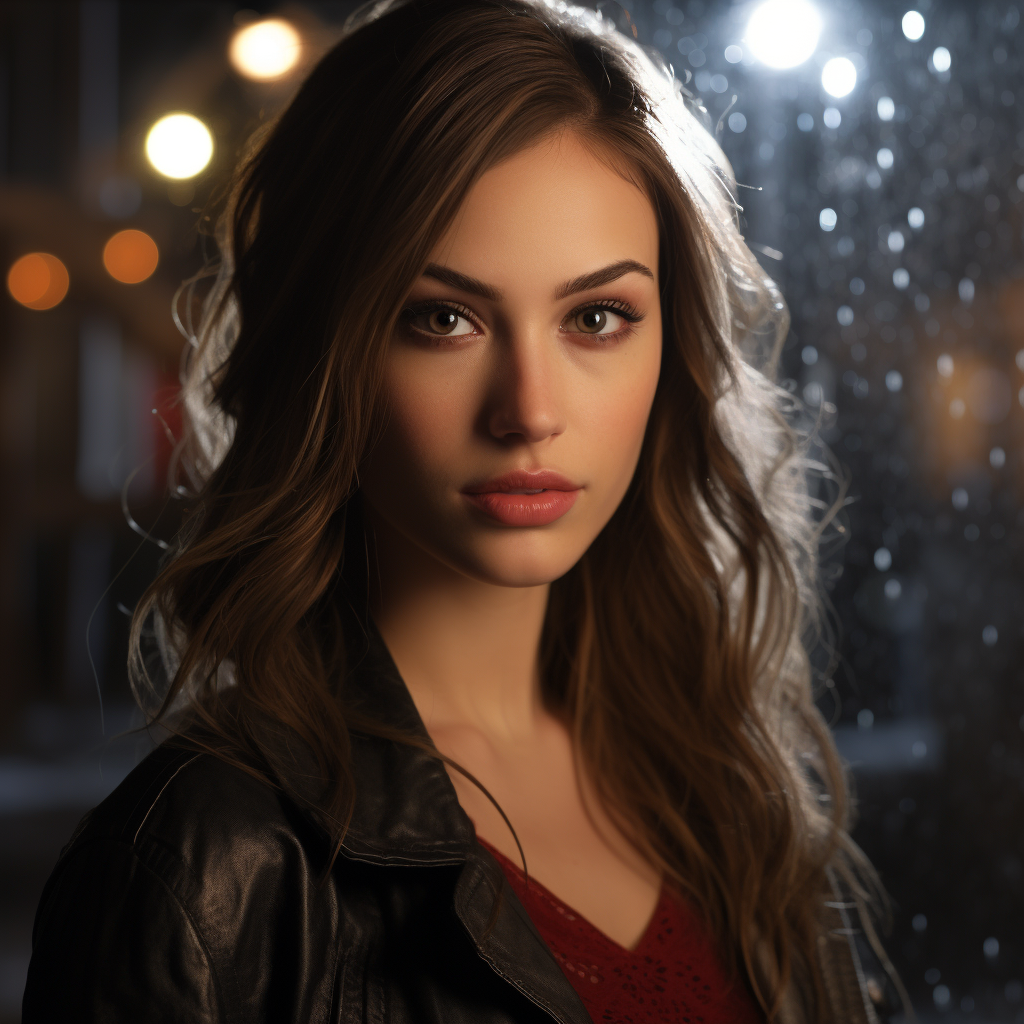
Discovering Beauty in Darkness
Showcase a selection of impressive images captured in challenging low-light conditions. Highlight the interplay of shadows and light, showcasing the beauty that can be found even in darkness.
Illuminating Moments Frozen in Time
Reveal breathtaking photos that freeze moments under dim lighting conditions, capturing unique expressions and emotions. Each image tells a story, painting a vivid picture despite the limited light available. These examples of stunning low-light instant photographs serve as testaments to the power of creativity and innovation in photography.
Through mastering the art of capturing images in challenging lighting situations, photographers can unveil hidden beauty and create captivating visual narratives. Embrace the magic of light and shadow with these best instant camera tips for low-light photography, turning ordinary moments into extraordinary works of art.


