Brief Overview of the Evolution of Instant Cameras
Instant cameras have a rich history that dates back to the late 1940s when Polaroid Corporation introduced the first commercial instant camera, the Polaroid Land Camera Model 95. This innovative device revolutionized photography by allowing users to capture a moment and have a physical print in their hands within minutes, eliminating the need for traditional film development.
Over the years, instant cameras evolved from bulky, manual models to sleek and user-friendly compact digital instant cameras we see today. The transition to digital technology brought significant improvements in image quality, ease of use, and creative features.
Innovations in Compact Digital Instant Cameras
With advancements in technology, compact digital instant cameras now offer a wide range of features that were unimaginable in earlier models. These modern devices combine the nostalgia of instant photography with the convenience and versatility of digital imaging.
Features such as automatic exposure control, built-in flash systems, and various shooting modes have transformed compact digital instant cameras into powerful tools for capturing memories with ease and style. The integration of LCD screens for framing shots and reviewing images instantly has further enhanced the user experience.
The Rise of Compact Size in Digital Instant Cameras
One key trend driving the popularity of compact digital instant cameras is their portable nature and small form factor. Unlike traditional bulky cameras or even early instant models, today’s compact digital instant cameras are designed to be lightweight and easy to carry around.
This portability makes them ideal companions for travel, social events, or everyday adventures where capturing spontaneous moments is essential. The emphasis on compact size has not compromised functionality; instead, it has pushed manufacturers to innovate by packing advanced features into smaller bodies without sacrificing image quality or performance.
Fujifilm Instax Mini 11
Snapshot of Key Features and Specifications
The Fujifilm Instax Mini 11 is a popular choice among compact digital instant cameras. Its key features include an automatic exposure function that adjusts the camera’s settings based on ambient lighting conditions, ensuring well-exposed photos every time. This camera also boasts a selfie mode, perfect for capturing self-portraits with ease.
With its close-up lens attachment, users can take sharp and detailed photos from as close as 35 cm away. In terms of specifications, the Instax Mini 11 uses Fujifilm Instax Mini film to produce credit card-sized instant prints.
Pros and Cons Unveiled
One of the standout advantages of the Fujifilm Instax Mini 11 is its user-friendly design, making it suitable for beginners and casual photographers. The camera’s compact size and lightweight build enhance its portability, allowing users to carry it around effortlessly.
Additionally, its affordable price point compared to other compact digital instant cameras makes it an attractive option for budget-conscious individuals. However, some users may find the lack of manual control options limiting their creative freedom when using this camera.
Polaroid Now
Diving into Key Features and Specifications
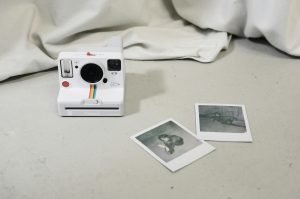
The Polaroid Now is another noteworthy player in the realm of compact digital instant cameras. Boasting an updated design that pays homage to classic Polaroid models, this camera offers autofocus functionality for quick and precise focusing in various shooting scenarios.
With a built-in double exposure mode, users can experiment with creative photo compositions directly on the camera itself. The Polaroid Now utilizes Polaroid i-Type film to produce square-shaped instant prints reminiscent of vintage polaroids.
Weighing Pros and Cons
One of the key advantages of the Polaroid Now is its nostalgic appeal combined with modern features, appealing to both retro enthusiasts and contemporary photographers alike. The autofocus capability enhances convenience by ensuring sharp images without manual adjustments—a boon for quick snapshots or spontaneous moments captured on film. On the flip side, some users may find the pricing of Polaroid i-Type film relatively higher than other formats used by compact digital instant cameras—an important consideration for those planning extensive use or frequent printing sessions.
Lens Quality and Focusing Capabilities
Compact digital instant cameras use various lens types to capture images. Wide-angle lenses are common in compact digital instant cameras, ensuring a broader field of view for capturing landscapes or group shots. On the other hand, some models feature macro lenses for detailed close-up shots, such as capturing small objects or intricate textures.
The lens quality plays a significant role in determining the sharpness, clarity, and overall image quality produced by compact digital instant cameras. Autofocus and manual focus options are essential features in compact digital instant cameras.
Autofocus allows the camera to automatically adjust the lens to ensure a sharp focus on the subject. This feature is convenient for quick snapshots and reduces the chances of capturing blurry images.
In contrast, manual focus provides users with more control over focusing by allowing them to adjust the focus manually based on their preferences. This feature is beneficial for creative photography where precise focusing is required.
Connectivity Options
Wi-Fi, Bluetooth, and NFC capabilities enhance the versatility of compact digital instant cameras by enabling seamless connectivity with other devices. Wi-Fi connectivity allows users to transfer photos wirelessly to their smartphones, tablets, or computers for easy sharing on social media platforms or cloud storage services. Bluetooth technology enables a quick connection between the camera and external devices for efficient data transfer.
NFC capabilities provide a convenient way to establish connections between compatible devices simply by bringing them into close proximity. Printing from smartphones and other devices directly enhances the convenience of using compact digital instant cameras.
With this feature, users can select photos from their smartphones or tablets and print them instantly using their compact digital instant camera’s printing function. This capability streamlines the printing process and offers a unique way to preserve memories captured on mobile devices in physical prints through compact digital instant cameras.
In-Camera Editing Options
Filters, frames, and other editing tools enhance images on compact digital instant cameras. Users can apply various filters like sepia, black and white, or vintage to give photos a unique look.
Frames add a decorative touch, ranging from classic borders to fun designs like hearts or stars. These editing tools allow users to customize their photos directly on the camera without needing external software.
Creative modes for unique photo effects bring versatility to compact digital instant cameras. Modes like double exposure blend two images into one for artistic results.
Others include color swap that swaps colors within the frame or silhouette capturing to emphasize outlines against bright backgrounds. These modes enable photographers to experiment with different styles and create standout images.
Low-Light Performance
Compact digital instant cameras’ low-light performance varies based on sensor size. Larger sensors capture more light in dim settings, resulting in clearer and sharper images with reduced noise. Smaller sensors may struggle in low-light conditions, producing grainy photos with less detail.
Understanding sensor sizes helps users choose a camera that excels in various lighting scenarios. Built-in flash capabilities provide additional light when shooting in low-light environments with compact digital instant cameras.
The flash enhances brightness and clarity, especially in dark settings where natural light is insufficient. Adjustable flash settings allow users to control the intensity and avoid overexposure while ensuring well-lit photos even in challenging lighting conditions.
Printing Technology
Differences Between ZINK Technology vs Traditional Film Printing
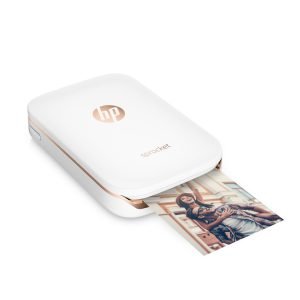
ZINK technology is a revolutionary printing method found in compact digital instant cameras. It stands for Zero Ink and uses heat to activate color-forming dye crystals embedded in the paper.
In contrast, traditional film printing involves exposing light-sensitive photographic paper to chemicals for developing the image. The key distinction lies in ZINK’s inkless approach, eliminating the need for cartridges or ribbons commonly associated with traditional printing methods.
Impact on Image Quality and Longevity
When comparing ZINK technology to traditional film printing in compact digital instant cameras, image quality and longevity play crucial roles. ZINK prints tend to have vibrant colors but may lack the depth and dynamic range seen in traditional film prints. Additionally, traditional film prints are often considered more archival due to their chemical composition, resulting in better long-term image preservation compared to ZINK prints that may fade over time when exposed to light or heat.
Battery Life
Average Number of Shots per Battery Charge for Popular Models
Battery life is a vital aspect of compact digital instant cameras as it directly impacts usability and convenience. Popular models like the Fujifilm Instax Mini 11 or Polaroid Now typically offer an average of 100-120 shots per full battery charge. However, factors like flash usage, LCD screen activity, and connectivity features can influence actual battery performance during use.
Tips for Extending Battery Life During Extended Use
To maximize battery life when using compact digital instant cameras extensively, several tips can be implemented. Lowering screen brightness, disabling unnecessary features like Wi-Fi or Bluetooth connectivity when not needed, and avoiding continuous use of the flash can significantly extend battery longevity between charges. Additionally, carrying spare batteries or utilizing power-saving modes available on some camera models can provide backup power during extended shooting sessions.
Conclusion
The world of compact digital instant cameras offers a myriad of options to capture and print memories instantly. These cameras provide convenience, portability, and fun in a single package. As technology continues to advance, we can expect even more innovative features and improvements in the realm of compact digital instant cameras.
Summary: Capturing Memories on the Go
Capture spontaneous moments with ease using compact digital instant cameras. These devices blend modern technology with nostalgic charm, offering users a tangible way to preserve memories. From sleek designs to user-friendly interfaces, these cameras cater to both photography enthusiasts and casual users seeking simplicity in capturing moments.
Future Trends: The Evolution of Instant Photography
As we look ahead, exciting trends await the world of compact digital instant cameras. Advances in connectivity options may enable seamless sharing across devices, enhancing the overall user experience.
Moreover, improvements in printing technology could lead to even higher-quality prints that rival traditional film photography. Stay tuned for cutting-edge developments in this dynamic field!