
Introduction
Instant photography revolutionized the way people captured and shared moments, allowing for immediate tangible memories. This innovative technology enabled users to develop photos instantly, eliminating the need for external processing. Vintage folding instant cameras played a pivotal role in popularizing this concept, bringing a sense of magic and instant gratification to photography enthusiasts worldwide.
Brief Overview of Instant Photography
Instant photography, pioneered by Edwin Land’s Polaroid Corporation, introduced self-developing film packs that produced images within minutes. This groundbreaking process involved exposing the film through the camera and then having it automatically developed without external intervention. Vintage folding instant cameras facilitated this quick development, making them a convenient choice for capturing spontaneous moments with friends and family.
Importance of Folding Instant Cameras in the History of Photography
Folding instant cameras reshaped the landscape of photography by blending portability with functionality. Their compact design allowed users to carry them easily, ensuring that no fleeting moment went uncaptured. These vintage treasures not only preserved memories but also marked a significant shift towards more accessible and user-friendly photographic equipment, democratizing the art form for amateur enthusiasts.
Early Innovations in Folding Instant Cameras
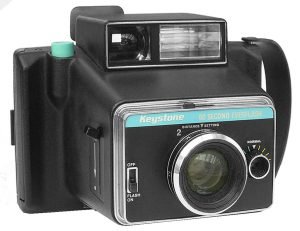
Polaroid Model 95 (1948)
Polaroid Model 95 revolutionized photography by becoming the first commercially successful vintage folding instant camera. This camera captured the essence of instant gratification, allowing users to take a photo and have it develop within minutes. The groundbreaking feature of the Polaroid Model 95 was its use of self-developing film packs, eliminating the need for external processing labs and enabling photographers to witness their images come to life right before their eyes.
Polaroid Land Camera Model 150 (1957)
The Polaroid Land Camera Model 150 marked a significant milestone in the realm of vintage folding instant cameras with its introduction of color film capabilities. Prior to this model, instant cameras were limited to black and white photography. The incorporation of color film opened up a whole new world of creative possibilities for photographers, allowing them to capture vivid scenes and memories in full color.
Furthermore, the Polaroid Land Camera Model 150 boasted an improved design focused on portability and ease of use, making it a popular choice for amateur and professional photographers alike. Harnessing the power of innovation and creativity, these early innovations in vintage folding instant cameras paved the way for future developments in photography technology.
The combination of self-developing film packs in the Polaroid Model 95 and color film capabilities in the Polaroid Land Camera Model 150 transformed how people engaged with photography. These cameras were not just tools; they were gateways to capturing moments that transcended time through vibrant colors and instantaneous results.
Revolutionizing Photography: Polaroid SX-70 (1972)
Polaroid SX-70, introduced in 1972, marked a significant milestone in the era of vintage folding instant cameras. Edwin Land’s revolutionary folding design transformed how photographers interacted with their equipment.
The camera’s collapsible body made it remarkably portable, allowing users to capture moments with ease. This innovative design not only enhanced convenience but also elevated the camera’s aesthetic appeal.
The Polaroid SX-70 was equipped with an SLR system that offered precise focusing and exposure control, setting it apart from its predecessors. This feature allowed photographers to achieve sharp and well-exposed images consistently.
The through-the-lens viewing system of the camera enabled users to compose their shots accurately, ensuring that every frame captured was exactly as intended. Such advancements in technology made the Polaroid SX-70 a favorite among photography enthusiasts and professionals alike.
Innovative Competition: Kodak EK6 (1976)
The Kodak EK6 emerged as a formidable competitor to Polaroid during the 1960s and 1970s in the realm of vintage folding instant cameras. Boasting a similar folding design to the Polaroid models, the EK6 offered users a familiar yet distinct photographic experience.
However, what truly set this Kodak model apart was its integration of an electronic flash for low-light photography—a feature that revolutionized capturing images in challenging lighting conditions. With the incorporation of an electronic flash, the Kodak EK6 provided photographers with enhanced versatility when shooting indoors or during nighttime settings.
This innovation expanded creative possibilities and enabled users to explore new realms of photographic expression using instant film technology. The seamless marriage of traditional folding camera design with modern electronic components showcased Kodak’s commitment to pushing boundaries and adapting to evolving consumer needs in the ever-changing landscape of vintage folding instant cameras.
Legacy of Innovation: Impact on Vintage Folding Instant Cameras
The introduction of both the Polaroid SX-70 and Kodak EK6 had a lasting impact on vintage folding instant cameras’ evolution during the 1960s and 1970s. These pioneering models not only influenced subsequent designs within their respective brands but also inspired innovations across the industry as a whole. The emphasis on portability, precision, and enhanced features set new standards for what photographers could expect from their equipment.
Polaroid Automatic Land Camera Model 100 (1963)
The Polaroid Automatic Land Camera Model 100, a gem among vintage folding instant cameras, introduced the world to the first automatic exposure system in an instant camera. This groundbreaking feature revolutionized photography by simplifying the process for users and ensuring optimal exposure settings for every shot.
The camera’s automatic exposure system adjusted shutter speed and aperture based on available light conditions, allowing photographers to focus on capturing moments without worrying about technical settings. An iconic feature of the Polaroid Automatic Land Camera Model 100 is its bellows design, which epitomizes vintage folding instant cameras’ compactness and style.
The accordion-like bellows not only served a functional purpose by allowing the lens to extend outward for focusing but also added a touch of elegance to the camera’s aesthetics. This unique design element set the Polaroid Model 100 apart from its contemporaries and contributed to its enduring appeal among photography enthusiasts and collectors who appreciate classic craftsmanship.
Konica Instant Press (1983)
The Konica Instant Press stands out as a professional-grade folding camera that embodies innovation and versatility among vintage folding instant cameras. This remarkable camera catered to discerning photographers seeking premium features such as interchangeable lenses, setting it apart in a market dominated by fixed-lens models.
With the ability to swap lenses based on photographic requirements, users could unleash their creativity and achieve diverse visual effects with ease, solidifying Konica’s reputation as a pioneer in photographic technology. Equipped with high-quality optics, including precision-crafted lenses and advanced imaging components, the Konica Instant Press delivered unparalleled image quality that surpassed many contemporary folding instant cameras.
Photographers relied on this sophisticated optical system to capture sharp details, vivid colors, and nuanced tones in their images, making it a preferred choice for professionals demanding excellence in every shot. The fusion of cutting-edge optical technology with user-friendly design elements elevated the Konica Instant Press to an iconic status in the realm of vintage folding instant cameras.
Vintage folding instant cameras like the Polaroid Automatic Land Camera Model 100 and Konica Instant Press continue to captivate photography enthusiasts with their unique charm and technological innovations from past eras.
These rare gems embody a blend of functionality, style, and craftsmanship that transcends time, inspiring nostalgia for analog photography while showcasing enduring quality that withstands technological advancements. Whether admired for their historical significance or cherished for their practical utility in creating timeless images, these exceptional cameras hold a special place in the hearts of collectors and artists who treasure vintage equipment’s enduring appeal.undefined
Highlights on Collectible Folding Instant Cameras
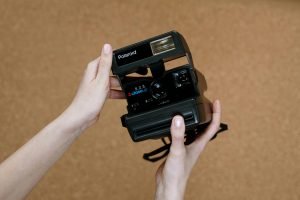
Polaroid SX-70 Alpha SE (Special Edition) Gold (1977)
This limited edition model boasts exquisite gold-plated accents, elevating it to a level of opulence rarely seen in vintage folding instant cameras. The shimmering gold details contrast elegantly with the sleek black body, creating a striking aesthetic that demands attention.
The Allure of Limited Edition
Imagine owning a piece of history with the Polaroid SX-70 Alpha SE Gold. As a special edition release, this camera embodies exclusivity and luxury, appealing to collectors and photography enthusiasts alike. Its rarity adds a sense of prestige to any collection of vintage folding instant cameras.
Conclusion
In the world of vintage folding instant cameras, each model tells a unique story of innovation and artistry. From the early days of self-developing film packs to the evolution of advanced features like automatic exposure systems and interchangeable lenses, these cameras capture not just images but moments frozen in time.
Embracing the nostalgia and craftsmanship of these collectible gems can inspire creativity and appreciation for the enduring charm of analog photography. So let’s celebrate these timeless treasures that continue to enchant us with their beauty and history.


