
Introduction
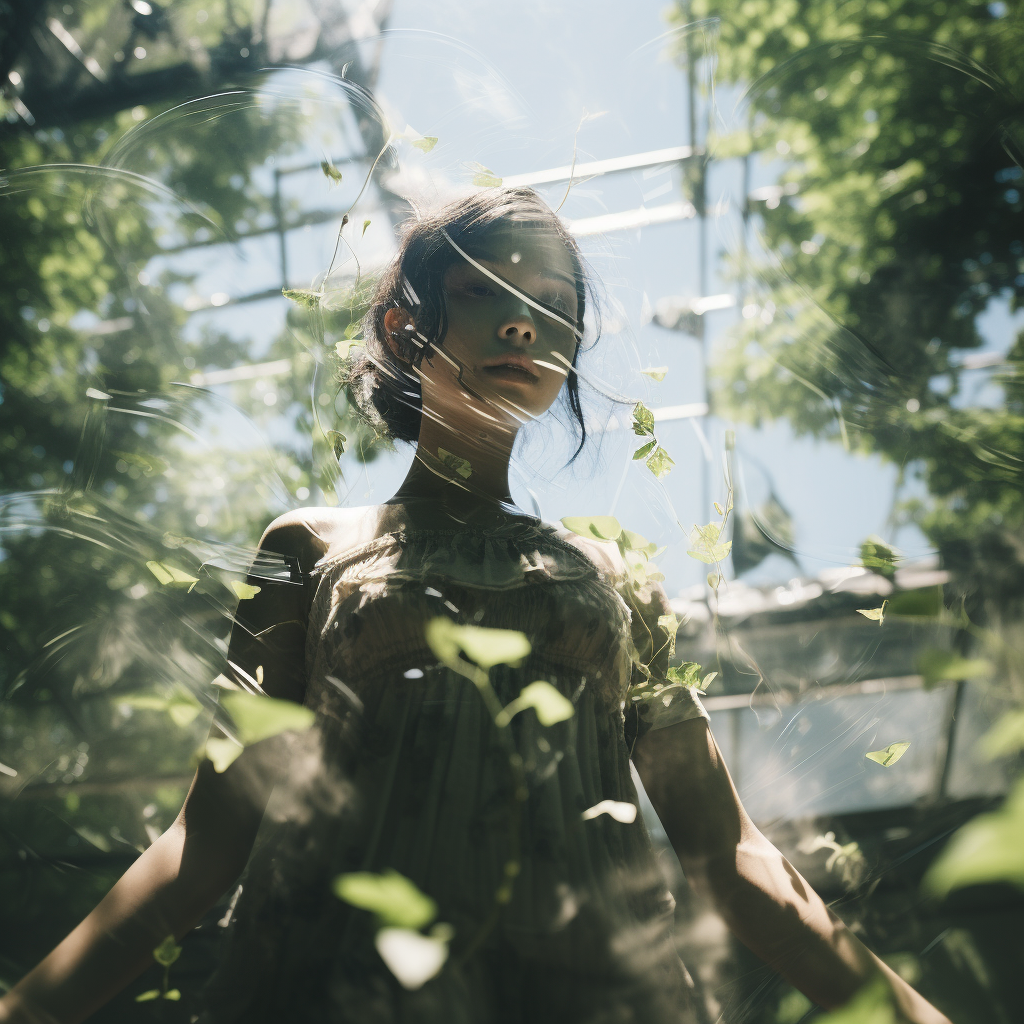
The Art of Layering: Unlocking the Magic of Double Exposures
Exploring the realm of photography unveils a hidden treasure trove of creativity waiting to be unleashed through the technique of double exposures. This artistic method involves merging two separate images into a single frame, creating a captivating visual narrative that transcends traditional photography boundaries. With its roots in film photography, double exposures have evolved to adapt to the digital age, offering endless possibilities for experimentation and expression.
Brief Explanation of Double Exposures
Diving Deeper: Understanding the Enigmatic Nature of Double Exposures
At its core, a double exposure occurs when two distinct images overlap on a single frame, blending elements from each shot to form a harmonious composition. This process requires careful planning and precise execution to achieve stunning results that captivate viewers’ imaginations. The beauty of double exposures lies in their ability to convey complex emotions, tell intricate stories, and evoke powerful reactions through visual storytelling.
Instant Cameras and Their Unique Capabilities for Creating Double Exposures
Capturing Timeless Moments: Instant Cameras Redefining Creative Boundaries
Instant cameras stand out as versatile tools that offer photographers instant gratification with tangible results while providing a seamless platform for exploring the artistry of double exposures. Their intuitive design and user-friendly features empower creators to experiment with multiple exposures effortlessly, pushing the boundaries of conventional photography techniques. Best double exposure tips for instant cameras involve harnessing these unique capabilities to craft visually striking compositions that leave a lasting impression on viewers’ hearts and minds.
Understanding Double Exposures

Intriguing Photography Technique Unveiled
Photography enthusiasts often find themselves captivated by the intricate art of double exposures. These composite images involve overlaying two or more exposures onto a single frame, creating a mesmerizing blend of visual elements.
In the realm of photography, a double exposure is defined as the superimposition of two or more distinct images onto a single photographic frame. This technique allows for creative storytelling, surreal effects, and unique visual narratives that go beyond the confines of traditional single-exposure photography.
Exploring History and Creativity
The historical significance and artistic appeal of double exposures date back to the early days of film photography. Renowned photographers such as Man Ray and Jerry Uelsmann pioneered this technique, pushing the boundaries of visual storytelling and artistic expression.
Double exposures have since become synonymous with creativity, offering photographers a canvas to merge disparate elements into cohesive compositions. Instant cameras bring forth a modern twist to this classic technique, allowing photographers to experiment with double exposures in real-time without the need for post-processing or darkroom manipulation.
How Instant Cameras Differ from Traditional Cameras in Creating Double Exposures
Innovative Twist on Timeless Technique
Instant cameras revolutionize the creation of double exposures by merging analog charm with instant gratification. Unlike traditional cameras that require film development or digital processing for multiple exposures, instant cameras offer immediate results on instant film prints. This real-time feedback enables photographers to experiment freely with double exposures without delay, fostering creativity and spontaneity in image-making.
Capturing Magic at the Press of a Button
The unique mechanism of instant cameras simplifies the process of creating double exposures compared to their traditional counterparts. With intuitive controls and built-in features like multiple exposure modes, instant cameras empower photographers to seamlessly overlay images within seconds.
By bridging the gap between analog aesthetics and modern convenience, instant cameras open up new avenues for exploring the enchanting realm of double exposures. Best double exposure tips for instant cameras ultimately lie in embracing this fusion of old-school charm and contemporary innovation.
Comparison of Popular Instant Camera Models Suitable for Double Exposures
Polaroid OneStep+: The Polaroid OneStep+ is a versatile instant camera known for its compatibility with double exposures. This model offers Bluetooth connectivity to adjust settings via a smartphone app, making it easy to capture multiple exposures effortlessly. Additionally, the OneStep+ features manual controls for adjusting exposure levels and creative effects, enhancing the flexibility in creating stunning double exposures.
Fujifilm Instax Mini 90 Neo Classic: The Fujifilm Instax Mini 90 Neo Classic is another popular choice among photographers interested in double exposures. This instant camera boasts a dedicated multiple exposure mode that allows users to superimpose two different images onto one film frame.
With its advanced features like bulb mode and macro mode, the Instax Mini 90 provides ample opportunities for experimenting with various compositions and effects when creating double exposures. Best double exposure tips for instant cameras.
Features to Look for in an Instant Camera for Creating Double Exposures
Multiple Exposure Mode: When selecting an instant camera for double exposures, ensure it has a dedicated multiple exposure mode that simplifies the process of overlaying images onto a single frame. This feature allows you to capture two or more shots without advancing the film, enabling seamless blending of elements in your compositions. Manual Controls: Opt for an instant camera equipped with manual controls such as aperture settings and exposure compensation to have greater control over your double exposures.
Manual adjustments empower you to fine-tune the brightness, contrast, and depth of field in each exposure layer, resulting in more refined and visually compelling images. Best double exposure tips for instant cameras.
Selecting subjects that work well together in a double exposure
Choosing subjects that complement each other is crucial for creating captivating double exposures. Start by considering the visual characteristics of each subject to ensure they blend seamlessly. For example, pairing a silhouette with a detailed texture can create an intriguing contrast in your final image.
Experiment with combining organic elements like plants or landscapes with geometric shapes or structures for visually dynamic results. By selecting subjects that share similar color tones or contrasting elements, you can create a harmonious yet impactful composition.
Considering lighting conditions and background textures for interesting effects
Best double exposure tips for instant cameras include paying close attention to lighting conditions and background textures. Soft, diffused lighting can help create a dreamy and ethereal effect in your double exposures, while harsh light can add drama and intensity to the image. Experiment with backlighting or side lighting to enhance the contours and details of your subjects.
Additionally, incorporating textured backgrounds such as brick walls, foliage, or water surfaces can add depth and visual interest to your double exposures. By manipulating light direction and background textures, you can elevate the overall mood and aesthetic of your images.
Overlapping Elements for Depth and Visual Interest
Photographers achieve captivating double exposures by strategically overlapping elements in their compositions. Layering subjects like a silhouette against a textured background or a portrait with nature can create depth and intrigue.
By overlapping these elements thoughtfully, you can tell a visually compelling story through your double exposure images. This technique enhances the complexity and aesthetic appeal of your photographs, making them more engaging for viewers.
Adjusting Exposure Settings for Brightness and Contrast Control
To master the art of creating stunning double exposures, it’s crucial to adjust exposure settings meticulously. By controlling the brightness and contrast of each layer in your composition, you can ensure that both elements blend seamlessly while maintaining their individual characteristics.
Tweaking exposure settings allows you to highlight specific details, create mood contrasts, or balance the overall tone of your double exposure image effectively. Best double exposure tips for instant cameras involve paying close attention to these exposure adjustments to achieve desired results.
Using Props or Filters for Creative Elements
Elevate the creativity of your double exposures by incorporating props or filters into your compositions. Props such as prisms, mirrors, or even simple objects like leaves can add unique visual elements to your images.
Experimenting with different filters—such as color filters for vibrant effects or diffusion filters for dreamy textures—can further enhance the artistic appeal of your double exposures. By integrating props and filters creatively, you can infuse personality and style into your photographs, resulting in visually striking and memorable double exposures.
Enhancing Your Double Exposures with Editing Tools
Editing tools play a crucial role in perfecting your double exposures. By using software like Adobe Photoshop or Lightroom, you can merge, adjust, and fine-tune multiple images to create a cohesive and striking final result.
These tools offer features such as layer management, blending modes, and masking capabilities that allow you to seamlessly combine different elements in your double exposures. Best double exposure tips for instant cameras advise utilizing editing tools to enhance the overall quality and visual impact of your images.
Exploring Color, Contrast, and Sharpness for Impactful Results
Adjusting colors, contrast, and sharpness is essential to achieve the desired look for your double exposures. By tweaking these settings in post-processing, you can create mood, depth, and emphasis in your images. Increasing contrast can make elements stand out more distinctly, while fine-tuning color tones can evoke specific emotions or themes within the composition.
Sharpening key details helps ensure that every element in the double exposure is crisp and well-defined. Best double exposure tips for instant cameras recommend experimenting with different levels of color saturation, contrast adjustments, and sharpening techniques to bring out the best in your photos.
Printing Your Double Exposures for Unique Displays
Printing your double exposures on various mediums offers a tangible way to showcase your creative work. Whether it’s on traditional photo paper, canvas prints, or even transferring them onto unconventional surfaces like wood or metal, choosing the right printing medium can enhance the visual impact of your images. Best double exposure tips for instant cameras suggest exploring different printing options to find one that complements the style and mood of your double exposures effectively.
Dealing with Overexposed or Underexposed Areas in Your Images
Adjust exposure settings carefully to correct overexposure or underexposure in your double exposures. Experiment with different exposure compensation values to find the right balance for each layer of your image.
Consider using a smaller aperture or faster shutter speed to control the amount of light entering the camera. Review your histogram after capturing a double exposure to identify areas that are overexposed or underexposed.
Utilize exposure bracketing if your camera has this feature to capture multiple shots at varying exposures and blend them later. Be mindful of your light meter readings and make adjustments accordingly for a well-exposed final image.
Avoiding Unintentional Ghosting or Blurriness in Your Double Exposures
Maintain a steady hand when capturing each exposure to prevent blurriness or ghosting in your double exposures. Use a tripod for added stability, especially when shooting in low light conditions or with slower shutter speeds.
Ensure that both subjects are sharply focused before capturing each exposure to avoid any blurriness. Allow sufficient time between exposures to prevent overlapping elements from creating unintended ghosting effects.
Check the alignment of your subjects and adjust as needed to avoid any misalignment that could lead to ghosting issues. Consider using manual focus mode to ensure precise control over focus points for clear, sharp double exposures.
Conclusion
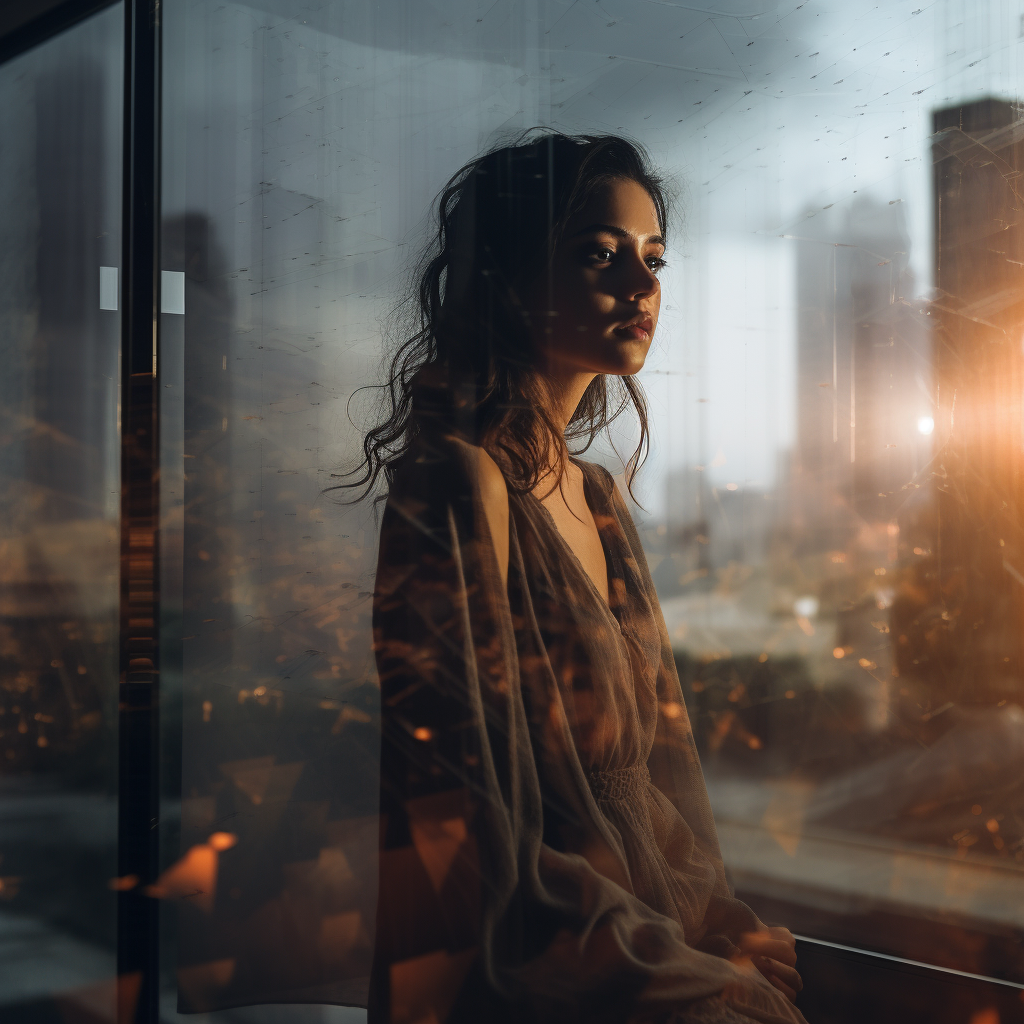
Mastering the art of creating stunning double exposures with an instant camera requires practice, patience, and attention to detail. By implementing the best tips outlined here, you can overcome common challenges such as overexposed areas, underexposed regions, ghosting effects, and blurriness. Embrace experimentation and don’t be afraid to push the boundaries of creativity when crafting unique double exposures.
With dedication and persistence, you can elevate your photography skills and produce captivating images that showcase the beauty of this artistic technique. Best double exposure tips for instant cameras!


