
Introduction
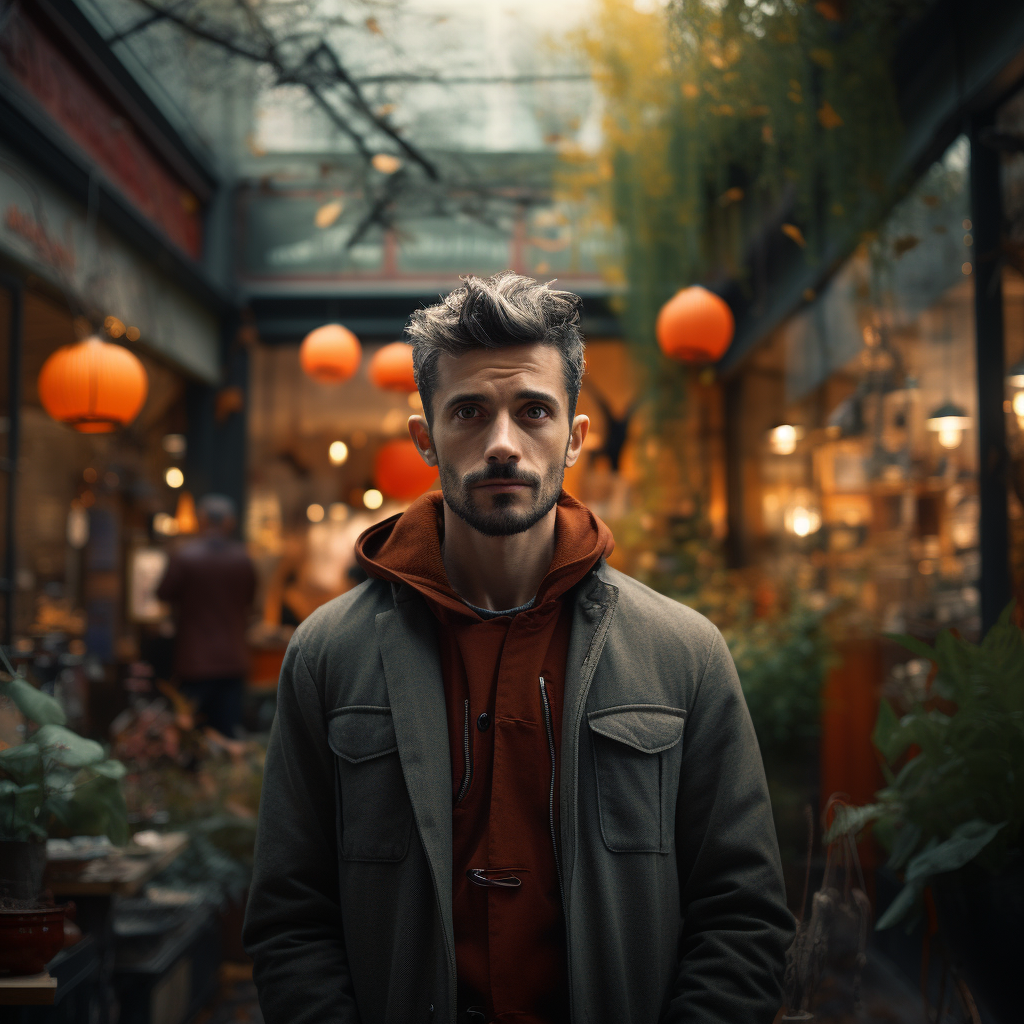
A Glimpse into the World of Instant Cameras
Instant cameras, also known as Polaroid cameras, have witnessed a resurgence in popularity in recent years. These compact devices allow users to capture moments and instantly produce physical prints without the need for film development.
Instant cameras are cherished for their nostalgic appeal and the tangible nature of their photographs, offering a unique blend of digital convenience and analog charm. Best tips for professional instant camera photography begin with understanding the allure and mechanics of these fascinating gadgets.
The Significance of Crafting Professional-Looking Photos
In today’s visually-driven world, first impressions are often based on the quality and aesthetics of photographs. Creating professional-looking instant camera photos is not merely about technical precision but also about storytelling and emotional resonance.
Whether capturing candid snapshots or meticulously composed images, the ability to produce visually appealing photographs can elevate personal creativity, evoke memories, and resonate with viewers on a deeper level. Best tips for professional instant camera photography emphasize the transformative power of well-crafted images that go beyond mere documentation.
Types of Instant Cameras Available
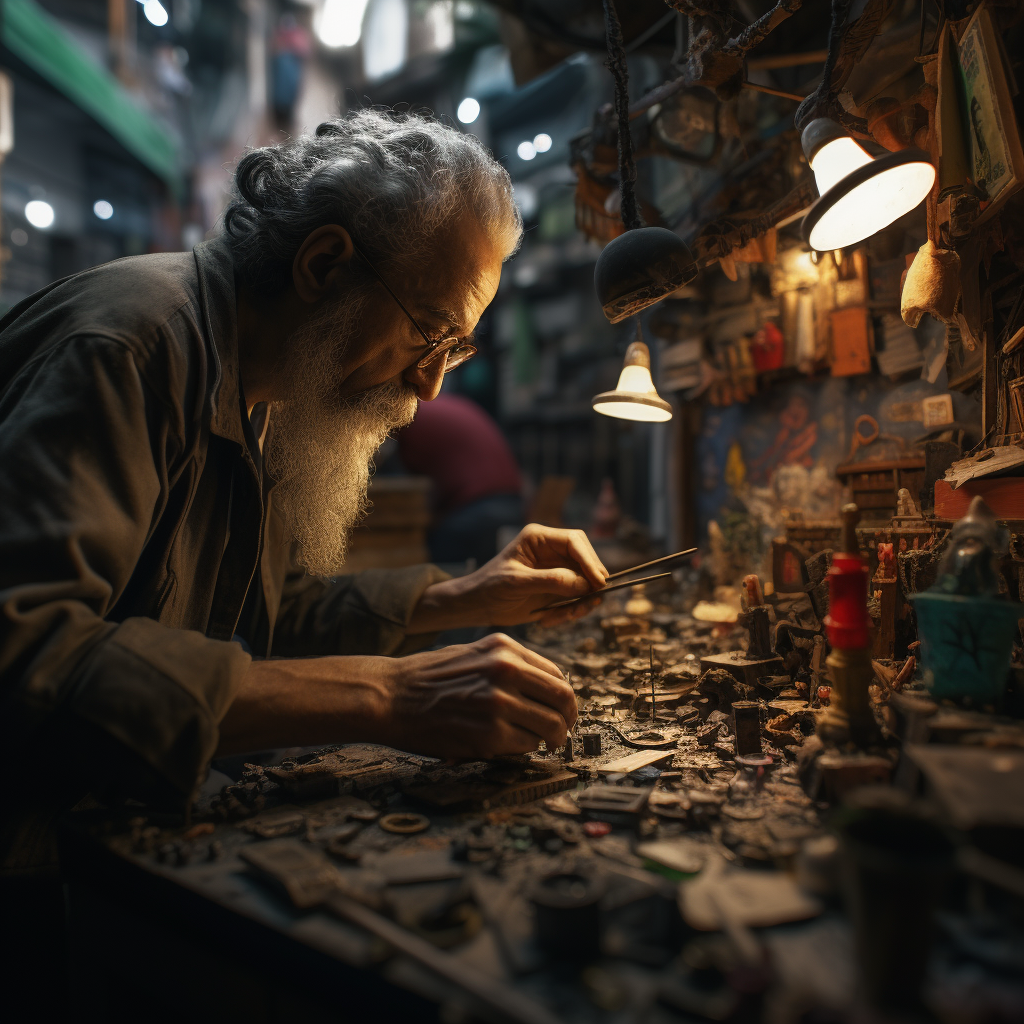
Polaroid, Fujifilm Instax, and Leica are popular instant camera brands. The Polaroid SX-70 offers vintage appeal with its folding design and manual focus capabilities.
Fujifilm Instax Mini is ideal for beginners due to its ease of use and compact size. Leica Sofort combines modern technology with a classic design, appealing to enthusiasts seeking quality and style.
Delving Into Settings and Features
Exploring the settings on your instant camera allows you to unleash its full potential. Adjusting exposure settings can help you capture well-balanced images in various lighting conditions.
Experimenting with aperture settings lets you control depth of field for creative effects. Understanding features like double exposure or color filters adds versatility to your photography arsenal.
Selecting the Perfect Film
Choosing the right film is crucial for achieving professional-looking instant photos. Color films offer vibrant hues suitable for different moods and subjects.
Black and white films provide a timeless, artistic touch to your images, perfect for capturing emotions or textures authentically. Specialized films like those with metallic finishes or monochrome borders add unique flair to your instant prints.
Natural Light vs Artificial Light
Understanding the differences between natural light and artificial light is crucial for achieving professional-looking instant camera photos. Natural light, such as sunlight, provides a soft and flattering illumination for your subjects.
Best tips for professional instant camera photography include utilizing natural light during the golden hours of sunrise and sunset when the light is warm and gentle. Position your subject facing the light source to minimize shadows and create a soft, even glow on their features.
Using Reflectors to Enhance Lighting
Reflectors are valuable tools for manipulating light and adding dimension to your instant camera photos. Best tips suggest using white or silver reflectors to bounce natural or artificial light onto your subject’s face, filling in shadows and creating a more balanced exposure.
Experiment with different angles and positions of the reflector to achieve the desired lighting effect. Reflectors can help enhance facial features, add sparkles to eyes, and create a soft glow in portraits.
Avoiding Harsh Shadows and Overexposure
To maintain a professional look in your instant camera photos, it’s essential to avoid harsh shadows and overexposure caused by strong or direct lighting. Position your subject strategically in relation to the light source to prevent unflattering shadows on their face or background.
Use diffusers or curtains to soften harsh sunlight if shooting outdoors during midday. Adjust your camera settings accordingly to prevent overexposure by adjusting the ISO, aperture, or shutter speed based on the available lighting conditions.
Rule of Thirds and Leading Lines
Framing your subject using the rule of thirds involves dividing your image into a grid of nine equal parts, both vertically and horizontally, creating intersecting points. Placing key elements along these lines or at the intersections helps to create a visually appealing composition. For example, positioning the horizon on one of the horizontal lines can add balance to landscape shots.
Utilizing leading lines in your composition directs the viewer’s eye towards the main subject or focal point. By incorporating natural or man-made lines like roads, fences, or shadows, you can guide viewers through your photo smoothly.
Captivating Views with Experimentation
Experimenting with different angles and perspectives allows you to capture unique and captivating photos that stand out. Get down low to capture subjects from a worm’s-eye view or climb higher for a bird’s-eye view to change how viewers perceive your scene. Don’t be afraid to get close to your subject for intimate shots that reveal details and emotions.
Alternatively, step back to include more context or negative space in your frame for a storytelling effect. Best tips for professional instant camera photography include experimenting with unconventional angles like shooting from above using stairs or capturing reflections for creative compositions.
Harmonizing Elements within the Frame
Balancing elements within the frame is essential for creating visually pleasing compositions in instant camera photography. Create balance by distributing visual weight evenly across your image; if one side feels heavy, counterbalance it with something lighter on the other side. Consider how colors, shapes, and textures interact within your frame; harmonious combinations enhance cohesion while contrasting elements add interest and dynamics.
Pay attention to negative space as it can help emphasize your main subject by providing breathing room within the composition. Mastering this skill will elevate your instant camera photos by making them more engaging and aesthetically pleasing.
Choosing a Cohesive Color Palette
Carefully selecting a cohesive color palette is one of the best tips for professional instant camera photography. Begin by considering the emotions and messages you want to convey through your photos. Opt for colors that complement each other harmoniously or create striking contrasts to make your images visually engaging.
Experiment with monochromatic schemes for a minimalist look or vibrant combinations for added energy. A well-chosen color palette can tie your photos together cohesively, enhancing their overall impact and aesthetic appeal.
Subtle Hues to Create Elegance
Incorporate subtle hues like pastels or muted tones to infuse elegance and sophistication into your instant camera photos. Soft colors can evoke a sense of tranquility and timelessness, adding a touch of refinement to your compositions.
Consider using light blues, pale pinks, or gentle greens to create a soothing atmosphere in your images. These understated shades can also help draw attention to specific elements within the frame, guiding the viewer’s gaze and enhancing the overall composition.
Selecting Appropriate Backgrounds or Props
Best tips for professional instant camera photography include choosing appropriate backgrounds or props that complement your main subject. The background plays a crucial role in setting the scene and context for your photos, so opt for simple backdrops that do not distract from the focal point of your image.
Experiment with textured surfaces, such as brick walls or wooden panels, to add visual interest without overshadowing your subject. Alternatively, introduce carefully selected props that enhance the narrative or theme of your photos, providing additional layers of meaning and depth.
Natural Elements for Organic Charm
Incorporate natural elements like plants, flowers, or stones as props in your instant camera photos to infuse them with organic charm and vitality. These elements can add texture, color, and visual appeal to your compositions while introducing a touch of nature into your imagery.
Consider placing delicate flowers in the foreground to create depth and perspective in close-up shots or incorporating lush greenery as a backdrop for outdoor scenes. By integrating natural elements thoughtfully into your photos, you can evoke feelings of serenity, freshness Best tips for professional instant camera photographyand connection with the environment.
Adjusting Brightness, Contrast, and Saturation
Adjust brightness to ensure your photo is well-lit and visually pleasing. Increase contrast to make elements in the photo stand out and add depth.
Adjust saturation to enhance colors without making them look oversaturated or unnatural. Best tips for professional instant camera photography.
Fine-Tuning with Cropping and Straightening
Crop images to improve composition by removing distractions or focusing on the main subject. Straighten images to correct any slanted horizons or tilted angles, ensuring a more professional look. Best tips for professional instant camera photography.
Enhancing with Filters and Effects
Add filters subtly to create a specific mood or tone in your photos while maintaining a natural look. Apply effects sparingly to avoid overwhelming the image but enhancing its overall appeal. Best tips for professional instant camera photography.
By mastering these post-processing techniques, you can elevate your instant camera photos from amateur snapshots to polished, professional-quality images that capture attention and admiration. Experiment with different adjustments, practice consistently, and trust your creative instincts to develop a unique style that reflects your artistic vision in each photograph.
Choosing High-Quality Photo Paper or Prints
Selecting the right photo paper or prints is crucial for achieving professional-looking instant camera photos. Opt for high-quality glossy or matte photo paper to ensure vibrant colors and sharp details in your prints. Consider the weight and texture of the paper to complement the aesthetic of your photos.
Look for archival-quality paper to preserve your images for years to come. Best tips for professional instant camera photography.
Framing Options for Displaying Your Photos
When choosing frames for displaying your instant camera photos, consider the style and ambiance you want to convey. Choose frames that complement the size and color scheme of your photos while enhancing their visual appeal. Experiment with various frame materials, such as wood, metal, or acrylic, to find the best match for your photography style.
Don’t forget about matting options that can add depth and focus to your images within a frame. Best tips for professional instant camera photography.
Creating a Photo Album or Scrapbook to Showcase Your Work
Designing a photo album or scrapbook is an excellent way to curate and showcase your best instant camera photos in a cohesive manner. Organize your images thematically or chronologically to create a narrative flow in your album.
Use acid-free sleeves or papers when assembling your album to protect the longevity of your prints from yellowing or fading over time. Add personal touches like captions, quotes, or decorative elements to enhance the storytelling aspect of your photo collection.Best tips for professional instant camera photography
Tips for Improving Your Skills
Practicing Regularly to Hone Your Photography Skills
Regular practice is crucial for becoming proficient in professional instant camera photography. By consistently capturing images, you develop an intuitive understanding of your camera’s capabilities and how to optimize its settings for different scenarios.
Practice also helps refine your composition skills, allowing you to frame shots more effectively and create visually appealing photographs. Through repetition, you gain confidence in your abilities and develop a unique style that sets your work apart.
Seeking Inspiration from Other Photographers
Drawing inspiration from fellow photographers can provide fresh perspectives and ideas to enhance your own work. By exploring the portfolios of established professionals or emerging talents, you can discover new techniques, styles, and trends in instant camera photography.
Analyzing their compositions, use of light, and choice of subjects can inspire creative experimentation in your own projects. Additionally, engaging with the photography community through exhibitions, workshops, or online platforms allows you to connect with like-minded individuals who share a passion for capturing moments through the lens.
Conclusion

Recap: Mastering the Art of Instant Photography
Implementing the best tips for professional instant camera photography involves understanding your camera’s settings, mastering lighting techniques, perfecting composition and framing, styling your shots thoughtfully, utilizing post-processing tools effectively, and exploring printing and display options. By following these guidelines, you can elevate the quality of your instant camera photos to achieve a professional look that captivates viewers.
Embracing Your Photography Journey
Remember that photography is an artistic journey filled with endless possibilities and opportunities for growth. Experimentation is key to developing your unique style and pushing the boundaries of your creativity.
Embrace each photo session as a chance to learn something new and improve your skills. Don’t be afraid to make mistakes; they are stepping stones towards mastery.
Have fun on this photography journey, celebrate your progress no matter how small the steps may seem, and keep capturing moments that inspire you. Best tips for professional instant camera photography!


