
Introduction
The Magical World of Instant Photography
Instant camera film revolutionized photography, allowing for immediate gratification and tangible memories in a digital age. The charm of capturing a moment and watching it develop right before your eyes is unparalleled. From Polaroids to Instax, the allure of instant film has endured through the decades, appealing to both nostalgia seekers and modern creatives.
Exploring the Origins
The history of instant camera film traces back to Edwin Land’s invention of the Polaroid camera in 1948. This groundbreaking technology changed the way people captured memories, shifting from traditional film development processes to instant gratification. The evolution of instant film over time reflects advancements in chemistry, design, and user experience, shaping a beloved medium cherished by photographers worldwide.
Selecting the Best Instant Camera Film
Choosing the best instant camera film is essential for achieving stunning results that capture memories in vibrant detail. Factors such as color rendition, saturation levels, sharpness, and compatibility with your camera model play crucial roles in determining the outcome of your prints. With a plethora of options available from renowned brands like Polaroid Originals and Fujifilm Instax, selecting the ideal instant film for your photographic adventures can elevate your creative pursuits to new heights.
Understanding Instant Camera Film
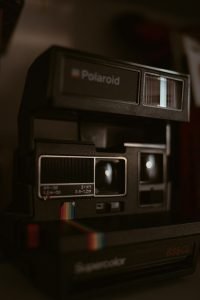
Unveiling the Essence of Instant Camera Film
Instant camera film is a light-sensitive material used in analog instant cameras to create physical photographs instantly after exposure. This unique film comprises layers of emulsion that react to light, producing a visible image within seconds. Unlike traditional film, it undergoes a rapid chemical process that eliminates the need for external processing or darkroom development.
Exploring the Diverse Array of Instant Camera Film Types
The best instant camera film comes in various types tailored to different preferences and shooting styles. Color instant films capture vibrant and true-to-life hues, ideal for everyday snapshots and portraits.
On the other hand, black and white instant films offer timeless elegance, adding a classic touch to your images with rich contrasts and deep tones. Special effects films push creative boundaries by introducing unique textures or color shifts, allowing experimentation and artistic expression.
Considering Essential Factors When Selecting Instant Camera Film
When choosing the best instant camera film, several critical factors should guide your decision-making process. The ISO rating determines the film’s sensitivity to light, influencing exposure settings and graininess levels in your photos.
Consider the size of the film format based on your camera model (e.g., Instax Mini or Polaroid SX-70) to ensure compatibility and proper fit. Compatibility with your camera type is crucial for achieving optimal results, as not all instant films are universally interchangeable across devices.
Polaroid Originals Film: SX-70, 600, Spectra
The Polaroid Originals film comes in three main types: SX-70, 600, and Spectra. The SX-70 film is renowned for its vintage look and compatibility with classic Polaroid cameras.
It produces soft, dreamy images with a distinct color palette that evokes nostalgia. The 600 film is versatile and works well in various lighting conditions, making it a popular choice for beginners and experienced photographers alike.
On the other hand, the Spectra film is known for its larger format prints, offering more surface area for detailed shots. Each type of Polaroid Originals film has its own unique features and characteristics.
The SX-70 film produces square images with a classic border reminiscent of old-school instant prints. Its color tones tend to be warmer and softer compared to other films.
In contrast, the 600 film delivers sharper details and vibrant colors suitable for capturing vivid moments. The Spectra film boasts a wider frame size that allows for more expansive compositions and intricate details in each shot.
When considering the best instant camera films from Polaroid Originals, it’s essential to weigh the pros and cons of each type. The SX-70 film excels at creating timeless, artistic photos ideal for creative projects or personal keepsakes but may require more precise lighting conditions for optimal results.
Meanwhile, the 600 film offers reliability and versatility in various settings but can sometimes lack the vintage charm of older Polaroid prints. While the Spectra film provides ample space for detailed compositions, its larger size may not appeal to those seeking compact or wallet-sized prints.
Fujifilm Instax Mini vs Wide Films
The Fujifilm Instax series includes two popular formats: Mini and Wide films. The Mini format produces credit card-sized prints ideal for sharing or keeping in your wallet as mementos. Its small size makes it convenient for on-the-go shooting or spontaneous captures of everyday moments.
In contrast, the Wide format yields larger prints closer in size to traditional instant photos—perfect for showcasing landscapes or group shots with more clarity. When comparing Fujifilm’s Instax Mini against Wide films’ image quality and color rendition differ slightly based on their respective formats’ characteristics_.”>Mini format tends to produce vibrant colors with high saturation levels that pop off the page_,”>width=”20″>Wide format offers richer detail_ “>image quality while maintaining true-to-life colors thanks to its broader surface area_.”>width=”40″> Regardless of which format you choose_,”>you can expect crisp images with fast development times_ “>Instax films are known best instant camera films_ who appreciate convenience combined_ quality photographic results._ “>their popularity among photography enthusiasts spanning all skill levels.
Black and White Instant Films: Ilford, Polaroid Originals BW
Shooting in black and white with instant film offers a timeless and classic aesthetic that can elevate your photography to a new level. The richness of tones and the depth of contrasts achieved with black and white instant films like Ilford and Polaroid Originals BW create striking images that evoke emotion and nostalgia effortlessly. Exploring the world of monochrome instant photography allows you to focus on composition, texture, and form in a unique way that color photography may not capture as effectively.
Advantages of Shooting in Black and White with Instant Film
One advantage of shooting in black and white with instant film is the ability to create images with a strong visual impact, emphasizing light, shadows, and shapes without the distraction of color. This approach encourages photographers to see the world in a different light, focusing on contrast, mood, and storytelling elements within each frame. Additionally, black and white instant films often have a classic look that adds an artistic flair to your photos, making them stand out as timeless pieces of art.
Best Practices for Capturing Stunning Monochrome Images
When shooting with black and white instant film such as Ilford or Polaroid Originals BW, it is crucial to pay attention to lighting conditions as they greatly impact the final result. Experiment with different compositions, textures, and lighting setups to create dramatic effects in your images.
Utilize shadows creatively to add depth and intrigue to your photographs while keeping an eye on highlights to maintain detail throughout the frame. Remember that simplicity can be powerful in black and white photography – focus on strong subjects or patterns for impactful results.
Special Effects Films: Lomography, Impossible Project
Exploring special effects films from brands like Lomography or Impossible Project opens up a world of creative possibilities that go beyond traditional photography techniques. These films offer unique ways to experiment with double exposures, color filters, or other effects that can transform ordinary scenes into extraordinary works of art. Embracing special effects films allows you to push the boundaries of your creativity while adding an element of surprise and innovation to your photographic endeavors.
Creative Possibilities with Special Effects Films
Special effects films provide photographers with endless opportunities for experimentation by offering unconventional methods for capturing images. Double exposure techniques enable you to blend two separate scenes into one frame seamlessly, creating surreal or dreamlike compositions that challenge perceptions. Using color filters can enhance specific colors within your photographs or add a vintage vibe by mimicking older film stocks’ characteristics.
Tips for Experimenting with Unique Effects
When working with special effects films like those from Lomography or Impossible Project best instant camera film it’s essential best practices are followed during shooting discover new exciting ways these innovative products can enhance your photographic storytelling explore various settings environments unleash creativity through experimental approaches realize surprising outcomes push boundaries conventional thinking redefine what is possible capture moments uniquely memorable impactful unforgettable
Best Practices for Exposure Settings
To get the best results with your instant camera film, you must understand how exposure settings affect your images. Adjusting the exposure is crucial for achieving well-balanced and properly lit photos.
Start by familiarizing yourself with your camera’s exposure controls, such as aperture and shutter speed settings. Experiment with different exposure levels to see how they impact the final image quality.
Mastering Light and Shadow
When shooting with instant film, it’s vital to find the right balance between light and shadow to capture captivating photos. Pay attention to the direction of light sources and their intensity to create visually appealing compositions. Adjust your exposure settings accordingly to highlight important details while maintaining a pleasing contrast between shadows and highlights.
The Art of Exposure Compensation
In challenging lighting conditions, such as low light or high contrast scenes, using exposure compensation can make a significant difference in the quality of your images. Familiarize yourself with how exposure compensation works on your camera model and practice using it effectively. By adjusting the exposure compensation based on the scene’s lighting conditions, you can ensure that your images are well-exposed and showcase the true beauty of the best instant camera film you’ve chosen.
Preserving Memories: Caring for Instant Film Prints

Storing developed prints properly is crucial to prevent fading or discoloration. To maintain the quality of your instant camera film prints, keep them away from direct sunlight and humidity.
Store them in a cool, dry place to ensure longevity and vibrant colors. Avoid exposing the prints to extreme temperatures, as this can damage the image and affect its clarity over time.
Protecting Your Timeless Treasures
When displaying your favorite prints in creative ways, consider using photo albums or frames specifically designed for instant camera film. These protective enclosures shield the prints from dust, fingerprints, and environmental factors that could compromise their integrity. Experiment with different layouts and arrangements to showcase your best instant camera film shots in a visually appealing manner that tells a story or evokes emotions.
Elevating Your Visual Storytelling
Get innovative with how you present your captured moments by incorporating unique display ideas such as creating a wall gallery with string lights or arranging prints on a wire grid for an artistic touch. Embrace unconventional methods like hanging prints from clips or attaching them to a corkboard for a dynamic display that adds character to your living space. By creatively displaying your best instant camera film shots, you not only preserve memories but also transform your living environment into a personalized gallery of moments frozen in time.
Advanced Techniques
Mastering Multiple Exposures
Photographers can experiment with multiple exposures on instant camera film by overlaying different images onto a single frame, creating mesmerizing and dream-like compositions that blend elements seamlessly to tell a unique visual story. This technique allows for artistic expression and the fusion of diverse scenes into one captivating image.
Pushing the Boundaries
Taking instant camera film to the next level involves pushing boundaries by exploring unconventional angles, perspectives, and subjects. Embrace experimentation by breaking traditional photography rules and dare to capture unexpected moments that challenge perceptions and evoke emotions beyond the ordinary.
Conclusion
Exploring the realm of instant camera film unveils a world of endless creativity and nostalgia that transcends digital photography. Whether capturing spontaneous moments or crafting meticulously planned compositions, delving into the realm of instant photography opens up a universe of artistic possibilities waiting to be discovered. Embrace the journey of finding your favorite instant camera film as it leads you towards unlocking new dimensions in visual storytelling with each click of your shutter, making every frame a masterpiece in its own right – truly showcasing why it’s worth investing in only the best instant camera film.


