Introduction
A Glimpse into Nostalgia: The World of Instant Camera Photography
Instant camera photography harks back to a simpler time, evoking nostalgia and excitement in capturing moments that develop right before your eyes. Unlike digital photography, instant cameras produce tangible, physical copies of images that hold a unique charm and character. With the resurgence of analog photography, instant cameras have once again found their place in the hearts of creatives and enthusiasts alike.
The Crucial Role of Illumination: Understanding the Vital Significance
Lighting stands as the cornerstone of all photography, playing a fundamental role in shaping the mood, tone, and overall quality of an image. Whether natural or artificial, light dictates how colors appear, textures are defined, and shadows are cast. In instant camera photography specifically, lighting holds even greater importance due to the instantaneous nature of capturing moments.
Mastering lighting techniques is imperative for achieving visually stunning results with instant cameras. Best lighting techniques for instant cameras influence every aspect of an image’s composition – from exposure settings to creative effects captured on film.
Natural Light vs Artificial Light
Natural light, when used in photography, offers a soft and diffused quality that can enhance the mood of a photo. Instant camera users can take advantage of natural light sources such as sunlight or even soft moonlight to achieve a warm and inviting atmosphere in their images.
In contrast, artificial light tends to be more directional and can create distinct shadows, which may add drama or intensity to a photograph. Understanding how to manipulate both forms of light can greatly impact the overall look and feel of instant camera photos.
Best lighting techniques for instant cameras: Harmonizing with natural vs artificial light
Direction of Light and Its Impact on Photos
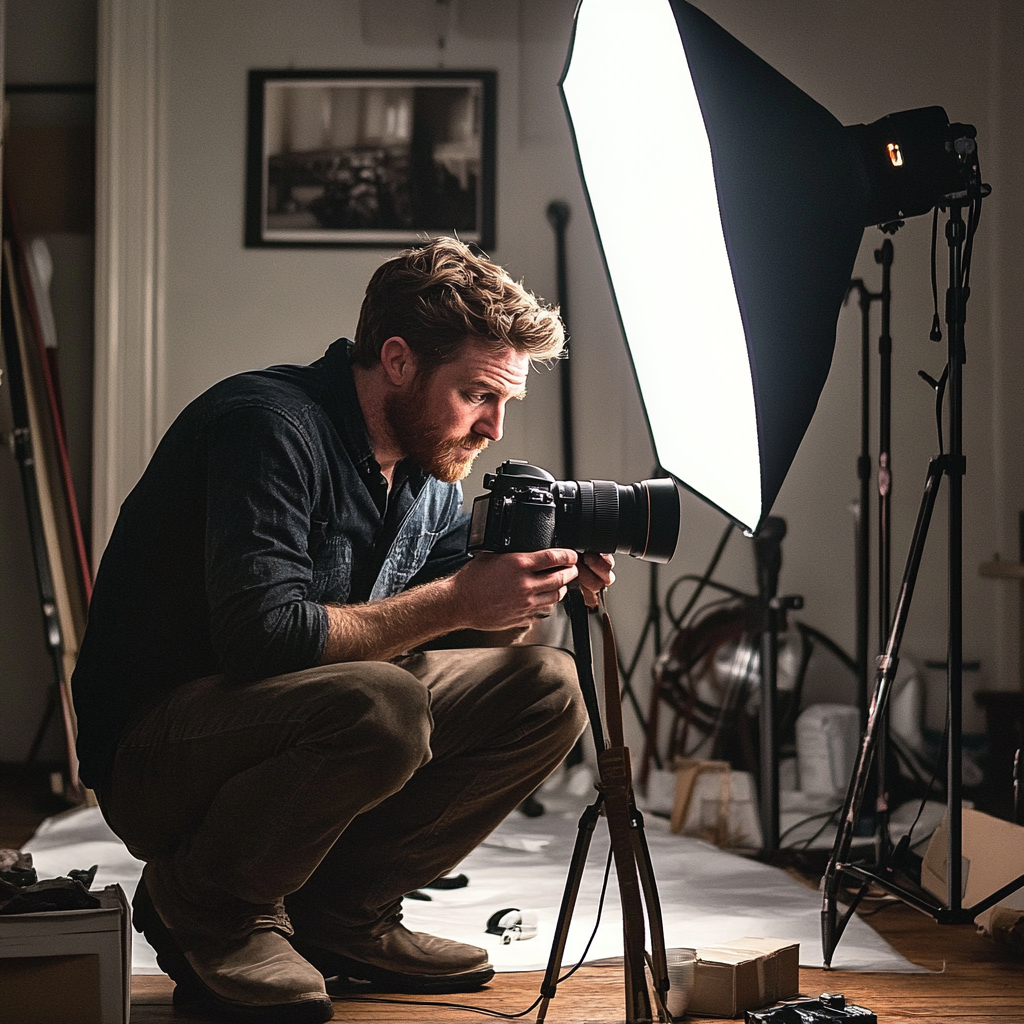
The direction from which light enters a scene plays a crucial role in shaping the composition of an image. Front lighting, where light is directly hitting the subject, typically produces evenly lit photos with fewer shadows.
On the other hand, side lighting creates depth and texture by casting shadows that highlight contours and shapes within the frame. Backlighting, where the light source is behind the subject, can result in striking silhouettes or glowing outlines that add intrigue to instant camera photographs.
Best lighting techniques for instant cameras: Crafting visual narratives through directional mastery
Quality of Light: Soft vs Harsh Lighting
Soft lighting produces gradual transitions between highlights and shadows, creating a gentle and flattering effect on subjects. This type of lighting is often preferred for portraits as it minimizes skin imperfections and conveys a sense of warmth. Harsh lighting, characterized by sharp contrasts between bright highlights and deep shadows, can evoke drama or intensity in an image but may require careful adjustments to avoid overexposure or underexposure in certain areas.
Best lighting techniques for instant cameras: Painting with light – mastering softness & harshness
Golden Hour Magic
Capturing the essence of golden hour lighting involves understanding its unique characteristics. During this magical time, the sun sits low in the sky, casting a warm, soft light that enhances colors and textures in your photos. To make the most of this enchanting period, position your subjects facing the sunlight for a beautiful glow and gentle shadows that add depth to your images.
Utilize the soft golden light to create a dreamy atmosphere in your instant camera photography – perfect for portraits, landscapes, or still life compositions that evoke a sense of warmth and nostalgia. Embracing backlighting can add brilliance and drama to your instant camera photography.
Backlighting occurs when the primary source of light is behind your subject, creating a halo effect or silhouette. This technique can emphasize shapes and outlines while infusing your images with a captivating glow.
By strategically placing your subject between the camera and the light source, you can achieve stunning results that play with contrast and highlights. Experiment with different angles and compositions to master backlighting like a pro – it’s one of the best lighting techniques for instant cameras that can elevate your artistic vision.
Fill Flash Fun
Incorporating fill flash into your instant camera photography is essential for balancing exposure in challenging lighting conditions. Whether you’re shooting against bright backgrounds or capturing subjects in shadowy areas, fill flash helps illuminate details while maintaining overall image quality.
This technique is particularly useful when natural light is insufficient or when you want to highlight specific elements within your frame. Adjust the intensity of fill flash according to ambient light levels to achieve well-exposed photos with rich tonal range – mastering this lighting tool will enhance the visual impact of your instant camera shots.
Indoor illumination presents endless creative opportunities for instant camera photography enthusiasts seeking cozy ambiance and intimate settings. Harnessing indoor lighting effectively involves understanding how different light sources interact with colors and textures within enclosed spaces.
Soft ambient lights like lamps or candles can set a warm mood ideal for capturing intimate portraits or still life scenes with character and depth. Experiment with placement and intensity to create captivating compositions that draw viewers into a world illuminated by indoor charm – uncovering hidden potential through one of the best lighting techniques for instant cameras awaits those who dare to explore indoor realms.
Macro Magic: Enhancing Details and Textures
Utilize close-up shots in macro photography to explore the intricate details and textures of your subject. Best lighting techniques for instant cameras can include using soft, diffused lighting to emphasize the smallest details, creating a visually captivating image.
By positioning the light source strategically, you can enhance textures like tiny patterns or delicate surfaces, adding depth to your macro shots. Experiment with playing with shadows and highlights in macro photography to create a dynamic visual impact.
By manipulating the direction of light, you can cast intriguing shadows that enhance the contours of your subject or highlight specific features. Incorporating creative lighting techniques in macro photography allows you to capture unique perspectives and evoke interest in even the tiniest subjects, showcasing their beauty through innovative use of light.
Nighttime Nostalgia: Illuminating Night Scenes Creatively
Capture stunning night shots using the best lighting techniques for instant cameras by exploring long exposure methods. Long exposure allows you to capture mesmerizing light trails and create a dreamy ambiance in nighttime photography.
By adjusting exposure settings and using a steady surface or tripod, you can achieve sharp details even in low-light conditions, resulting in captivating night scenes. Enhance your nighttime instant camera photography by creatively utilizing ambient light sources to illuminate your compositions.
Whether it’s capturing the soft glow of streetlights or incorporating starlight into your images, exploring various ambient light sources adds an enchanting quality to your night shots. Experiment with different angles and intensities of ambient light to create visually striking compositions that convey the magical essence of nighttime scenes through innovative lighting techniques.
Light Painting Wonders
Unleash creativity through light painting techniques. Create mesmerizing light trails and shapes using long exposure. Tools and tips for achieving stunning light painting effects.
Light painting is a form of artistic expression that involves using various light sources to paint or draw in a scene while capturing a long exposure photograph. To create mesmerizing light trails and shapes, begin by selecting a dark location with low ambient light.
Use a flashlight, LED wand, or any source of light to paint patterns or shapes in the air during the long exposure. Experiment with different movements and speeds to achieve the desired effect, whether it’s creating abstract designs or writing words in the air.
Incorporate tools such as colored gels or filters over your light source to add vibrant hues to your light paintings. Additionally, consider using props like sparklers or glow sticks for more dynamic effects.
Remember to set your camera to a long exposure setting, typically between 10-30 seconds, to capture the entire movement of the lights effectively. Best lighting techniques for instant cameras.
Conclusion
Exploring rare lighting techniques such as light painting can truly elevate your instant camera photography skills and spark boundless creativity. By mastering these lesser-known methods like creating mesmerizing light trails through long exposure shots, photographers can add an enchanting touch to their visual storytelling.
Embrace the power of unconventional lighting approaches to craft unique and captivating images that stand out from the crowd. With dedication and practice, you can unlock a whole new realm of possibilities in your photography journey through these best lighting techniques for instant cameras – illuminating both your photos and artistic spirit alike!


