Understanding Your Instant Camera
Instant cameras come in various models, each with unique features catering to indoor photography. Understanding your instant camera is crucial for capturing remarkable indoor shots.
Different instant cameras offer varying settings for flash, exposure control, and focus that can significantly impact the quality of your photos. Best tips for indoor instant camera photography include familiarizing yourself with the functions and capabilities of your specific model.
Exploring Key Features Relevant to Indoor Photography
Delving into the details of your instant camera’s features is essential for mastering indoor photography. Explore how flash settings influence the brightness and mood of indoor shots. Experimenting with exposure control allows you to adjust settings based on lighting conditions, ensuring well-exposed images in any indoor setting.
Understanding how focus works on your instant camera enables you to capture sharp and detailed indoor scenes effortlessly. Best tips for indoor instant camera photography involve experimenting with these features to enhance your indoor photography skills further.
Understanding the Popularity of Instant Cameras
Instant cameras have seen a remarkable resurgence in popularity in recent years. These devices, known for producing tangible photographs almost instantly, offer a unique and nostalgic appeal in our digital age.
The charm of holding a physical photograph right after capturing a moment has captured the hearts of many photography enthusiasts and casual users alike. With their user-friendly nature and ability to create one-of-a-kind prints on the spot, instant cameras cater to individuals seeking immediate gratification from their photographic endeavors.
The Significance of Mastering Indoor Photography
Mastering indoor photography is essential for anyone looking to preserve the everyday moments that often go unnoticed. While outdoor settings may offer ample natural light and captivating backdrops, indoor environments present a different set of challenges that require specific skills to overcome.
Whether it’s capturing cozy family gatherings, intimate portraits, or cherished objects within your home, honing your indoor photography skills ensures that you can document these moments with clarity and creativity. Best tips for indoor instant camera photography can help you elevate your indoor photo-taking abilities significantly.
Teasing Tips and Tricks Ahead
As we delve deeper into this guide on mastering indoor photography with an instant camera, we will explore various techniques to enhance your skills and elevate your photographic outcomes. From understanding exposure settings to utilizing creative lighting approaches, each tip aims to arm you with practical knowledge applicable to various indoor shooting scenarios. Stay tuned for valuable insights on how you can effectively capture the essence of everyday life through engaging visual storytelling using your instant camera.
Overview of Instant Camera Types
Instant cameras come in various types, each offering unique features catering to different user needs. From classic Polaroid models to modern Fuji Instax cameras, the market provides a wide selection for photography enthusiasts.
Understanding the distinctions between these types is crucial for selecting the best fit for your indoor instant photography endeavors. Each type possesses specific characteristics that influence image quality, such as lens quality, film format compatibility, and shooting modes.
Delving into Key Features
In indoor instant camera photography, mastering key features is essential for capturing high-quality shots. The flash settings play a pivotal role in adjusting light intensity to illuminate subjects effectively in low-light conditions without overexposure.
Moreover, getting acquainted with exposure control enables photographers to fine-tune settings based on ambient lighting levels and desired effects. Learning to balance these features optimally can significantly enhance the outcome of indoor instant camera shots.
Importance of Lighting in Indoor Photography
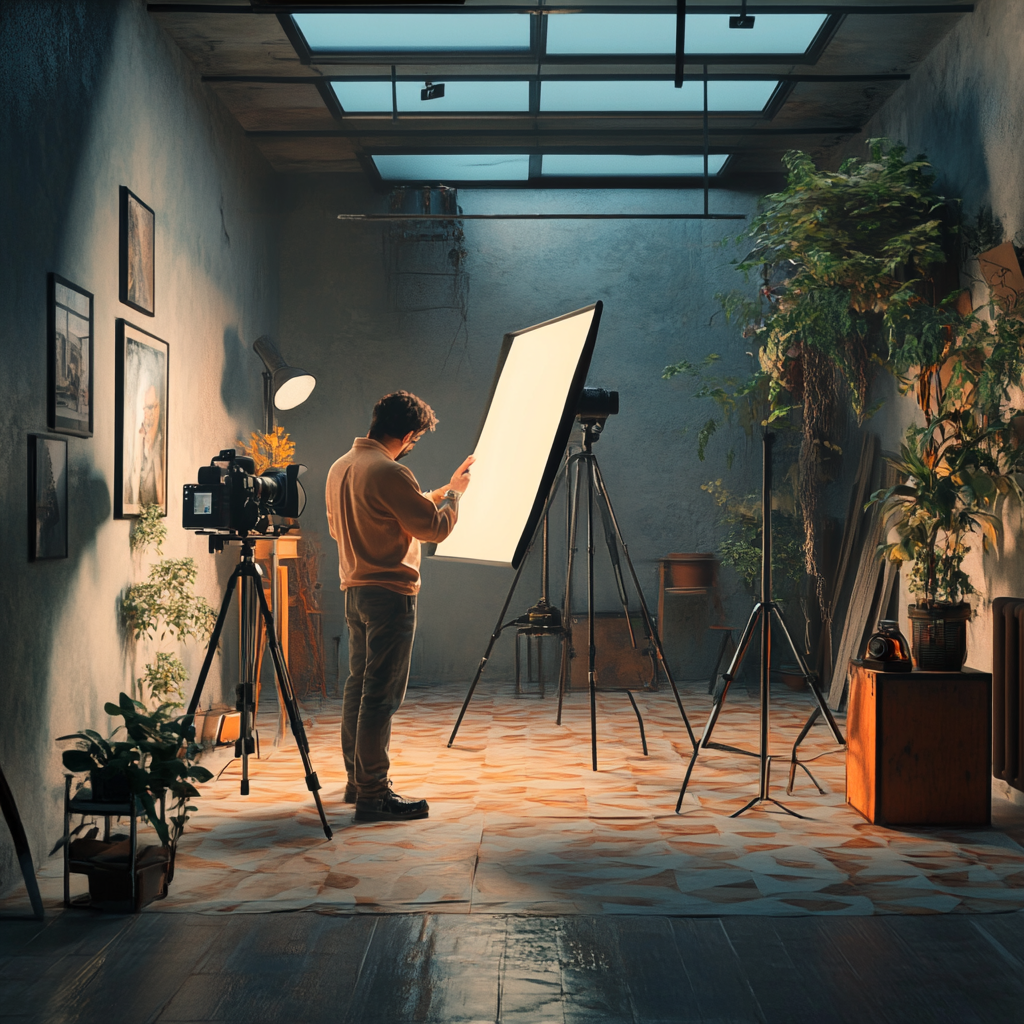
Good lighting is crucial for indoor instant camera photography. Proper lighting can make the difference between a dull, flat photo and one that pops with vibrancy. Best tips for indoor instant camera photography include understanding the role of lighting in setting the mood and tone of your photos.
Natural Light vs Artificial Light Sources
When it comes to indoor instant camera photography, natural light is often preferred for its soft, flattering qualities. Best tips for indoor instant camera photography suggest positioning your subject near a window to take advantage of this beautiful light source. Artificial light sources such as lamps or overhead lights can also be used creatively to add warmth or drama to your indoor shots.
Utilizing Window Light for Soft, Diffused Lighting
Best tips for indoor instant camera photography emphasize the beauty of window light for creating soft, diffused lighting that enhances your subjects. Positioning your subject near a window can help create flattering shadows and highlights, adding depth and dimension to your photos.
Using Lamps or Other Artificial Lights to Supplement Lighting
In indoor instant camera photography, additional artificial lights like lamps can be strategically placed to supplement existing light sources. Best tips for indoor instant camera photography recommend experimenting with different angles and intensities of artificial lights to achieve desired effects in your photos.
Consideration of Background and Composition for Visually Appealing Shots
Best tips for indoor instant camera photography stress the importance of considering background elements and composition when framing your shots. Pay attention to clutter or distractions in the background that could detract from your main subject. Experiment with different angles and perspectives to create visually appealing compositions that draw the viewer’s eye.
Discovering how different light sources affect photos is essential in mastering indoor instant camera photography. Experimenting with natural and artificial lighting techniques while considering background elements will help elevate your indoor photos from ordinary snapshots to captivating works of art.
How Exposure Settings Impact Indoor Photos
Exposure settings play a crucial role in capturing indoor photos with an instant camera. In low-light conditions, proper exposure ensures that your images are well-balanced, neither too dark nor too bright. Understanding exposure allows you to control the amount of light entering the camera, resulting in clear and vibrant indoor shots.
By mastering exposure settings, you can enhance the details and colors of your indoor photographs, making them visually appealing and professional-looking. Best tips for indoor instant camera photography.
Adjusting Exposure Compensation for Different Lighting Conditions
Adjusting exposure compensation is essential when shooting indoors with varying lighting conditions. By tweaking this setting based on the available light sources, you can avoid underexposed or overexposed images. Increasing exposure compensation in dimly lit rooms helps brighten up the scene without losing details, while lowering it in brightly lit areas prevents highlights from getting blown out.
This technique allows you to adapt to different indoor environments and maintain balanced exposures across diverse shooting scenarios—a valuable skill for creating stunning instant camera photos indoors. Best tips for indoor instant camera photography.
Using Manual Focus If Available on Your Instant Camera
Utilizing manual focus on your instant camera can significantly improve the sharpness and clarity of your indoor shots. In low-light situations where autofocus may struggle to lock onto subjects, manual focus gives you precise control over what elements appear sharp in your photographs. By adjusting the focus ring based on the distance between your subject and the camera, you can ensure that key details are crisp and well-defined even in challenging indoor lighting conditions.
Mastering manual focus opens up a world of creative possibilities for achieving striking compositions and emphasizing specific elements within your indoor scenes—elevating the quality of your instant camera photography indoors. Best tips for indoor instant camera photography.
Techniques for Achieving Sharp Focus in Low-Light Situations
Achieving sharp focus is critical when capturing indoor photos with an instant camera under low-light conditions—where maintaining clarity can be particularly challenging due to reduced visibility. Implementing techniques such as focusing on high-contrast areas or using manual focus aids like focus peaking can help ensure that your subjects remain sharp and well-defined despite limited light sources indoors., Practicing these strategies enhances the overall quality of your indoor photographs by eliminating softness or blurriness caused by insufficient lighting—resulting in professional-looking images that effectively convey the atmosphere and details of interior spaces through your instant camera lens.,
Playing with Shadows and Silhouettes: Adding Depth and Drama
Experiment by positioning your subject in front of a strong light source to create striking silhouettes. Play with the angles to cast captivating shadows that enhance the mood of your indoor photos.
Utilize backlighting effects to outline the shape of your subject against a bright background, adding depth and intrigue to your compositions. Best tips for indoor instant camera photography.
Experimenting with Double Exposures: Unleashing Artistic Flair
Master the art of double exposures by overlaying two images onto a single frame, creating visually arresting and dreamlike photographs. Start by capturing your first image, then without advancing the film, take a second shot to superimpose elements and tell unique visual stories.
Use this technique to blend textures, shapes, or contrasting scenes for an artistic touch that transcends traditional indoor photography boundaries. Best tips for indoor instant camera photography.
Using Color Filters or Gels: Infusing Creative Effects
Enhance the ambiance of your indoor photos by attaching color filters or gels over the flash of your instant camera. Experiment with various hues like warm orange tones for cozy interiors or cool blue shades for a futuristic vibe. These filters can transform ordinary lighting into dynamic color washes, elevating the mood and vibrancy of your indoor photography compositions.
Dive into the world of creative lighting effects with this simple yet powerful technique. Best tips for indoor instant camera photography.
Overcoming Challenges in Indoor Photography
Dealing with noise in low-light conditions
Photographing indoors, especially in low-light settings, can often result in images with noticeable digital noise. To mitigate this issue, consider using a lower ISO setting on your instant camera to reduce the sensitivity to light and minimize noise.
If your camera allows manual control over settings, opt for longer exposure times instead of cranking up the ISO, as this can yield cleaner images. Additionally, post-processing tools like noise reduction filters can be employed to further refine your photos and diminish any remaining noise artifacts.
Avoiding overexposure when using flash indoors
When utilizing the flash feature on your instant camera for indoor photography, it’s crucial to prevent overexposure that can wash out details and colors in your shots. To tackle this challenge effectively, experiment with adjusting the flash intensity or utilizing diffusers like white tissue paper or small softboxes to soften the harsh light emitted by the flash. Another technique is adjusting your camera’s exposure compensation to slightly underexpose the image when using flash, ensuring a well-balanced and properly exposed photograph.
Tips for reducing camera shake in dimly lit environments
In dimly lit indoor environments where slower shutter speeds are necessary for proper exposure, combating camera shake becomes paramount to achieving sharp and clear photos. To address this concern effectively, consider leaning against a stable surface or using a tripod to steady your instant camera during longer exposures. Alternatively, employing the two-second timer function or a remote shutter release can help minimize vibrations induced by pressing the shutter button manually, resulting in sharper images even in challenging lighting conditions.
Post
Editing and Enhancing Your Indoor Instant Shots
You can elevate your indoor instant photos by investing time in editing and enhancing them post-capture. Use software like Adobe Lightroom or free mobile apps for quick touch-ups.
Adjust brightness, contrast, and color balance to enhance the overall look of your images. Pay attention to details such as sharpness and noise reduction for a polished final result.
Showcasing Your Indoor Creations
Once you have perfected your indoor instant captures, consider creating a digital or physical showcase of your work. Share your photos on social media platforms or create a printed photo book to display your indoor photography journey. Don’t forget to seek feedback from peers or join online photography communities to gain further inspiration and insights.
Conclusion
Mastering the art of indoor instant camera photography opens up a world of creative possibilities that capture the beauty in everyday moments. By implementing the best tips for indoor instant camera photography outlined in this guide, you can transform mundane settings into captivating visual stories that resonate with viewers. Embrace the challenges of shooting indoors as opportunities to experiment, learn, and grow as a photographer.


